When a person is found some time after death in a newer apartment in Trinity Groves, unattended death cleanup is the work that makes the room safe and usable again, and it begins only once emergency services have released the scene. The first step for anyone discovering the death is to call emergency services, leave the room closed, and keep people and pets out. A crew then plans around the property itself: its rooms, surfaces, access routes, and shared walls. Contaminated material is removed in sealed containers, hard surfaces are disinfected, and odor is treated at its source rather than covered up. A written summary closes the visit so decisions about belongings and repairs are clear. The crew explains each stage as it proceeds, so the family or manager understands the sequence without entering the room.
Trinity Groves mixes newer apartment buildings and townhomes with restaurants and shops near the river, and many residents live in modern units with open kitchens, wood-style floors, and balconies. An unattended death in a newer unit has its own pattern: the unit may be well sealed, so odor builds strongly inside while the corridor stays deceptively clear, and building systems such as shared ventilation and trash chutes can carry odor to unexpected places once a door is opened. The crew therefore contains the unit before opening it up, checks shared systems, and coordinates with building management on elevator and service routes so the visit stays discreet in a busy mixed-use building. That distance matters in practice, because a family arranging work from elsewhere needs updates they can trust and a handover record they can read without entering the room. The crew uses that background to prepare, while reserving final decisions until the rooms themselves have been assessed.
A common misunderstanding is that opening windows and airing the room will solve the problem. In practice, airing a contaminated room without containment can push odor and particles into adjoining rooms, corridors, and neighboring units, making a one-room problem into a whole-property problem. Airflow is therefore controlled from the start: the affected room is contained, air movement is managed so it does not carry contamination outward, and ventilation happens in a planned way after removal and disinfection. The goal is a room that is genuinely clean, not a room that merely smells less strong for an afternoon. What families often find hardest is not the cleaning itself but the uncertainty around it: which rooms are involved, what will happen to belongings, and when the home can be used again. The crew tackles that uncertainty directly, explaining the assessment's findings, the order of work, and the decisions that will be needed, in plain language and without graphic detail. Nothing is described in ways that add distress, and nothing is hidden behind technical terms, because a family under strain deserves a clear account of what is happening inside a home they care about. That context shapes the assessment, since the crew plans containment and room order around the home in front of them.
Anyone arranging this work will be asked a few questions on the first call: where the property is, what kind of home it is, which rooms are involved, whether emergency services have released the scene, and who is authorized to give access. Those questions are not formalities; they determine containment, access routes, staging, and the order of work. This page explains why each of those details matters, so the call is shorter and the plan is better. It also explains what the crew will not do, such as starting before release or moving belongings without assessment. For property managers and family members alike, the handover is the moment the work becomes a record rather than a visit. The summary lists removals, disinfection, rooms covered, and remaining decisions in plain language, and it is given to the person who arranged the work. That record is what allows a home to be discussed, handed over, or prepared for its next use without anyone needing to re-enter rooms or reconstruct what happened from memory.
Unattended death cleanup in Trinity Groves: local factors
Climate and seasonal factors in Trinity Groves
In Dallas, the calendar matters. Summer heat and humidity accelerate change inside a closed room, and the difference between a room discovered in a mild spell and one discovered during a hot, humid stretch can be substantial. The crew's pace reflects that: containment is set up promptly, removal follows assessment without unnecessary delay, and drying is verified rather than assumed. Older homes add their own Dallas dimension, because wood, plaster, and older plumbing hide contamination in cavities and seams that newer construction would not have. Storm-season sewage backups are the other local risk, and a room affected by both a death and a backup is handled as a single contamination job, with removal, disinfection, and drying in that order. A well-sealed newer unit in Dallas humidity traps warm, damp air inside, so odor and growth build fast even when the corridor outside smells clear. The crew records how each factor appeared in this property, so the written summary reflects the actual home rather than a generic description of the neighborhood. Where this factor suggests wider spread, adjoining rooms are checked before any room is declared clear, keeping the scope honest.
Belongings, odor, and neighbors in Trinity Groves
The crew's approach to contents is conservative in a careful sense: keep what can genuinely be disinfected, remove what cannot, and explain the difference. Bedding and upholstered seating near the affected spot usually fall on the removal side, because fluids and odor soak into foam and fabric beyond the reach of surface disinfection. Wood, metal, glass, and sealed hard surfaces usually fall on the retention side after disinfection and re-check. Clothing, photographs, and personal items are assessed individually, and sentimental items are handled separately wherever possible. The family or manager is consulted before borderline items are removed. In a busy mixed-use building, neighbors and shop staff pass constantly, so discretion and containment protect everyone's daily routine. These local conditions also shape what the family or manager is asked to decide, since belongings, room use, and handover all depend on the property's surfaces and layout. This factor interacts with the others on this page, and the crew weighs the combination rather than treating any single factor in isolation.
Housing and surfaces in Trinity Groves
Newer units here typically have wood-style floors, tiled bathrooms, open kitchens with stone or laminate counters, and bedrooms with carpet or rugs. Well-sealed windows and doors keep odor inside the unit, which protects neighbors but concentrates the problem in the affected rooms. Bedding, seating, and closet contents near the affected spot absorb odor deeply, and balcony doors, utility closets, and trash chute rooms adjoining the unit are checked as secondary routes. The layout of the home decides the order of work: the most affected room first, then adjoining rooms in the order air and moisture would have traveled. The crew records how each factor appeared in this property, so the written summary reflects the actual home rather than a generic description of the neighborhood. The crew's route and staging choices also reflect this factor, since moving through a property carelessly can undo careful work inside the affected room.
Access and staging in Trinity Groves
Modern buildings usually offer a service elevator, a loading area, and a management office that coordinates access, and the crew uses those channels rather than the main lobby. Corridor and elevator surfaces are protected, staging stays in a service area or hallway nook, and sealed containers leave by the service route. Where townhomes have individual entries, the crew works through the unit's own door and keeps the shared walkway clear. The crew keeps its footprint small in shared areas, so residents and visitors can continue using the building normally throughout the visit. These local conditions also shape what the family or manager is asked to decide, since belongings, room use, and handover all depend on the property's surfaces and layout. The family or manager is told how this factor affected the plan, so decisions about rooms and belongings rest on explained observations.
What unattended death cleanup covers in Trinity Groves
Cleanup in Trinity Groves covers the apartment, townhome, or room where a person was found some time after death, once emergency services and any investigators have released the scene. Work includes removing fluids and staining, taking out porous material that cannot be disinfected safely, disinfecting hard surfaces, and treating odor at its source, across the affected room and any adjoining rooms the assessment shows to be involved. Hallways, closets, and bathrooms connected to the affected room are checked in sequence, shared parts of the property are protected, and sealed containers carry removed material out by the agreed route. The final summary records the rooms covered and the work done in each. Service covers only the 15 verified neighborhoods in Dallas, Texas, and coverage is confirmed by ZIP. A written summary records what was removed, what was disinfected, and what was left for the family to decide, so the home can be handed back with a clear account of the work rather than questions about what happened inside it. The crew's scope is confirmed with the family or manager before removal begins, so everyone agrees which rooms are included and which are left untouched, and any extension of scope found during assessment is explained before it is acted on. Shared areas are guarded throughout the visit even when they are not part of the cleaning scope, because protecting them prevents a second problem in rooms that were never affected. Where a surface cannot be disinfected safely, the crew explains why before removing it, rather than leaving the family to discover the removal later.
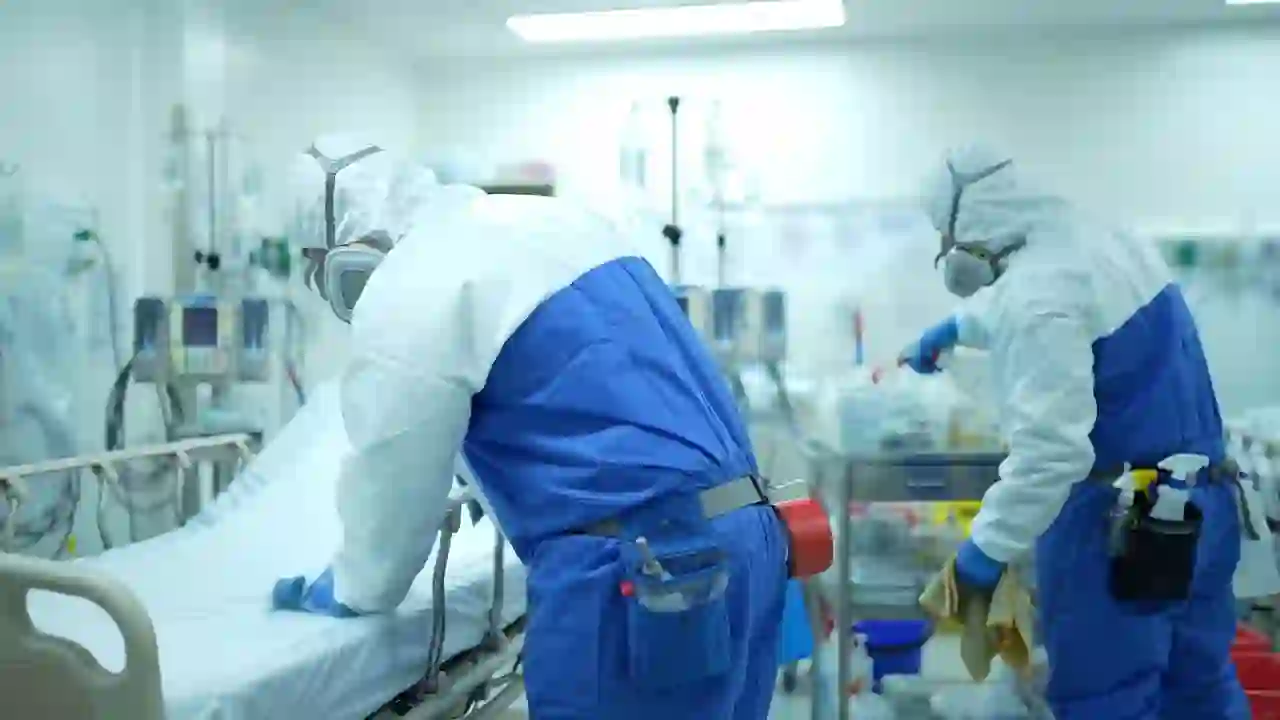
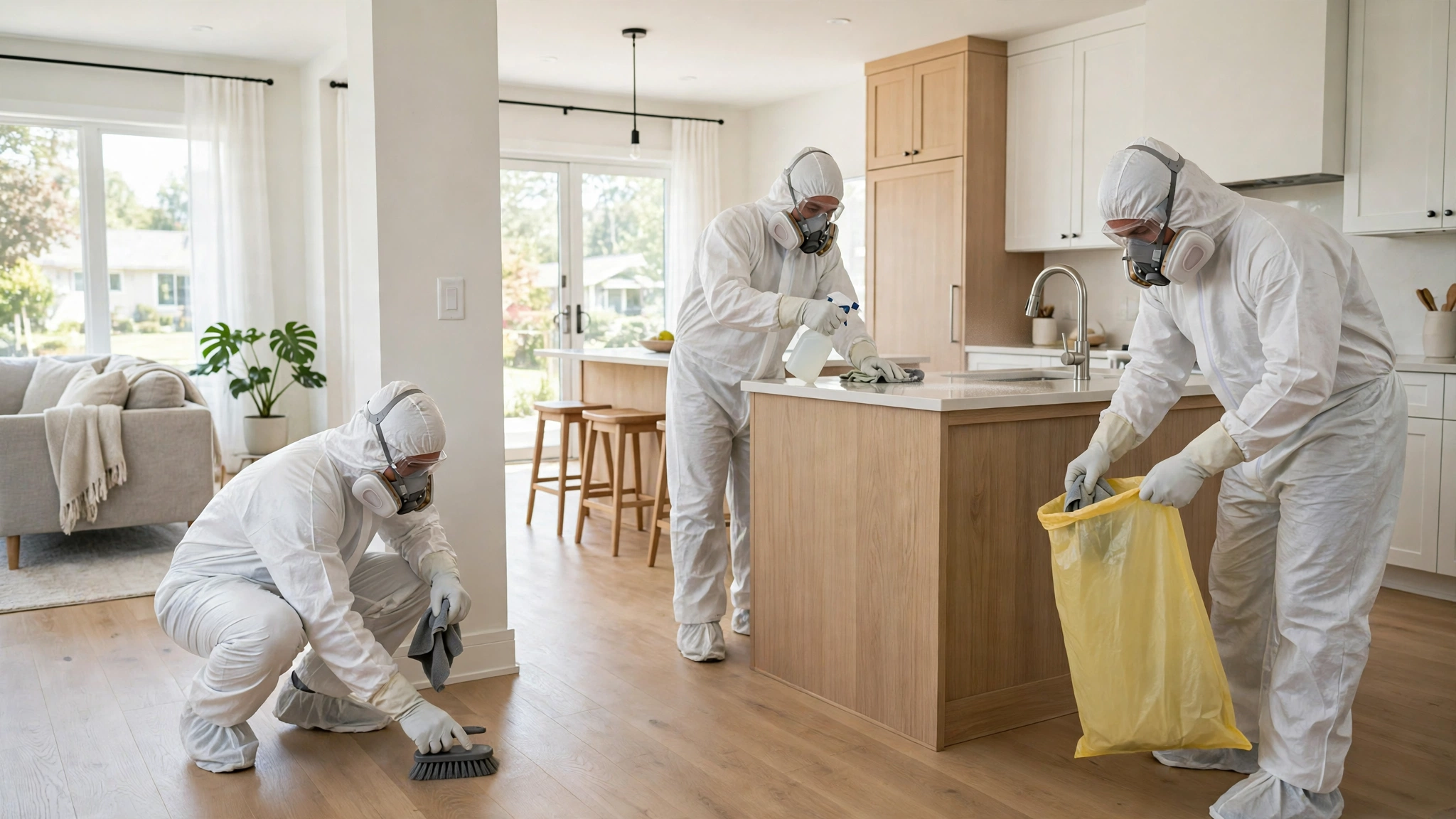
Illustrative image, not a specific customer job.Illustrative image, not a specific customer job.Illustrative image, not a specific customer job.
How unattended death cleanup is done in Trinity Groves
1. First call and property plan
Planning begins with information, not equipment. The first call establishes that emergency services have released the scene, identifies the property and its rooms, and names the person authorized to grant access. It also asks about belongings of sentimental value, about neighbors and shared areas, and about any building procedures for service visits. From that picture, the crew plans containment, staging, access, and room order, and shares the plan with the family or manager so the visit proceeds in an agreed sequence. For a home like a newer apartment in Trinity Groves, the crew fits this stage to the actual layout on the day.
2. Arrival and protection of shared areas
On site, protection comes before cleaning. Corridors, entries, and elevator or stair surfaces are guarded, staging is contained, and the route for sealed containers is confirmed. The affected room's door remains closed while the crew prepares, preventing odor and particles from reaching shared air. The crew also confirms who is authorized to be present and which rooms are in scope, so the work that follows stays inside its agreed boundaries. In a newer apartment in Trinity Groves, that stage is shaped by the property's layout and access.
3. Room assessment and setting up containment
The room is assessed in full before removal starts: surfaces, seams, joints, and adjoining rooms are examined, and the routes by which fluids, odor, and moisture traveled are identified. Containment follows assessment, sealing the work area and managing airflow so particles and odor stay inside it. This order matters: removing material from an uncontained room can carry contamination into clean rooms on air currents, shoes, or containers. The assessment also decides which items can be disinfected and which porous items cannot, so removal decisions are made with evidence rather than assumption. In Trinity Groves, this stage is planned around the property's rooms, access, and shared areas.
4. Contaminated material removal
Contaminated material leaves the property in sealed containers, and only after containment is in place. The crew removes porous material that disinfection cannot reach, including bedding, seating, rugs, and soft items near the affected spot, sealing each load inside the work area before it moves. Hard surfaces remain for disinfection, and items of sentimental value flagged on the call are set aside for separate assessment rather than removed with general contents. Each cleared area is inspected again after removal, because taking material out often reveals staining or moisture hidden beneath it. In a newer apartment in Trinity Groves, that stage is shaped by the property's layout and access.
5. Disinfection and thorough drying
Disinfection covers every hard surface the assessment found salvageable, applied with attention to seams, joints, grout, and fixture junctions where contamination hides. The crew works methodically through the affected room and any involved adjoining rooms, allowing disinfectant the time it needs on each surface. Drying is then checked across floors, wall bases, and soft materials that remain, because moisture left behind invites odor's return. Any surface that fails the dryness or cleanliness check is treated again before the job moves to its final stage. For a home like a newer apartment in Trinity Groves, the crew fits this stage to the actual layout on the day.
6. Closing check and plain-language summary
The closing check confirms that cleaning, disinfection, and drying all achieved their purpose. The crew re-inspects surfaces and seams, verifies dryness, checks adjoining rooms, and confirms odor has been treated at its source rather than covered. Any shortfall is corrected before departure. The handover summary then records the work in plain language: what was removed, what was disinfected, and what the family or manager still needs to decide, so the visit ends with clarity rather than unanswered questions. In a newer apartment in Trinity Groves, that stage is shaped by the property's layout and access.
Warning signs to call about
Family members living elsewhere find calls going unanswered and messages unread, and a check-in visit finds the home silent and closed. When this sign appears together with silence from the resident, contacting emergency services is the right next step rather than waiting longer. When neighbors notice this sign, a prompt call to emergency services is more helpful than entering the home.
Perishable food, appointments, or daily tasks appear neglected for days, while the resident had previously kept regular habits. That pattern is worth acting on promptly, since delay lets a closed room change further and lets odor reach adjoining spaces. This sign is most meaningful alongside unanswered calls or messages, and the combination deserves prompt action.
Seasonal cues point the same way: a home prepared for a holiday or a visit stays untouched past the expected date, with no sign of the resident. The crew hears this pattern often on planning calls, and it usually indicates a room that has been closed for some time. The pattern behind this sign is time passing without normal activity, which is why it should not be ignored.
Lights stay on day and night, or a vehicle stays parked in the same spot for days, while the resident is otherwise expected to be active. Neighbors and family members who notice this sign should not enter the home themselves, but should contact emergency services for a check. If this sign appears after a holiday or a planned visit goes unanswered, treat it as a prompt to check, not to wait.
A strong odor comes from one room or unit and does not clear when the space is ventilated, which often points to a room that has been closed for some time. This sign matters because it indicates time passing without the resident's normal activity, which is the core pattern in unattended deaths. This sign alone does not confirm anything, but it is a reason to seek a check rather than to wait and see.
Mail, packages, or newspapers gather untouched at the door or mailbox while the resident's usual routines stop without explanation. When this sign appears together with silence from the resident, contacting emergency services is the right next step rather than waiting longer. This sign is most meaningful alongside unanswered calls or messages, and the combination deserves prompt action.
What to do first
Your first action is to contact emergency services if they have not attended yet; no cleanup starts until the scene is released by them. This step is simple but important, and it costs nothing to observe while waiting.
If neighbors ask what happened, share no personal details; the crew's visit is discreet, and the written summary goes to the family or manager only. Following this step keeps shared areas and neighboring homes protected.
Keep children and pets away from the property's affected areas, and keep shared corridors and entries clear for the crew's arrival and staging. That step protects both the room and the rest of the property while the plan is made.
If the property is rented, tell the manager early so access, keys, and building procedures can be arranged before the crew arrives. Following this step keeps shared areas and neighboring homes protected.
Tell the building manager or landlord that emergency services have attended and that a cleanup assessment will follow, and confirm who is authorized to give access. That step protects both the room and the rest of the property while the plan is made.
Note any items of sentimental value that matter to the family, and mention them on the first call so they can be assessed separately rather than treated as ordinary contents. That step protects both the room and the rest of the property while the plan is made.
Do not discard items from the room before the assessment, because items that look affected may be salvageable and items that look clean may not be. A short note on this point helps the planning call build an accurate plan.
When unattended death cleanup is needed in Trinity Groves
As an illustration, adult children living in another city might realize that a resident who lived alone in a newer apartment has missed several expected calls, then ask a neighbor to check on the home. The neighbor finds the home silent and contacts emergency services, who discover the death and release the scene after their work. The children arrange cleanup remotely, with access given through an authorized contact, and the crew's updates plus the written summary let them understand the work without traveling to enter rooms that are not yet ready. Belongings of sentimental value are flagged on the call for separate assessment. The illustration is hypothetical, and it is included because its pattern, a resident living alone whose routines stop and whose absence is noticed by others, is the pattern by which many unattended deaths come to light.
For example, a family might only learn of a death when a scheduled visit to a resident who lived alone in a newer apartment finds the home locked, silent, and untouched, with no response to calls or knocks. Emergency services are called, attend, and release the scene, and the family is told to keep the room closed until cleanup is planned. The crew's assessment then determines which rooms are involved, which materials can be disinfected, and which must be removed, and the family receives that information in a written summary rather than having to discover it by entering the rooms themselves. The situation described is hypothetical, and its value lies in the pattern: a resident living alone, routines that stop, and concern raised by neighbors, family, or a manager.
Consider a hypothetical illustration where a coworker or acquaintance notices that a resident who lived alone in a newer apartment has missed work and social contact without explanation, and a welfare check by emergency services discovers the death some time after it happened. After release, the family faces a home where one room needs specialist work and adjoining rooms need checking. The crew's staged sequence, from containment through removal, disinfection, drying, and re-check, gives the family a predictable process during an unpredictable week, and the written summary closes the visit with a documented record. This is a hypothetical illustration, not a real customer's story, and it is included so readers can recognize the pattern of stopped routines and unanswered contact early.
Scenarios above are hypothetical illustrations, not real customer jobs.
Unattended death cleanup in Trinity Groves: questions people ask
How discreet is the visit, and what will neighbors see?
The visit is deliberately discreet: a quiet arrival, contained staging, protected shared areas, and sealed containers moved by an agreed route. Neighbors may notice a crew presence, but they are not told personal details, and shared spaces are left clean. The crew avoids display, keeps staging compact, and coordinates timing and routes with building management where applicable. The written summary goes to the family or manager only, not to the building at large, and the crew's conduct reflects the sensitivity of the situation throughout. For a newer apartment in Trinity Groves, the crew checks humidity, airflow, and adjoining rooms together, since Dallas conditions connect them.
What if another room, such as a bathroom or closet, is also affected?
Adjoining rooms are part of the standard assessment, and any room showing involvement through air, moisture, or shared surfaces is included in the cleaning scope. Bathrooms and closets connected to the affected room are checked in sequence, with their own surfaces, seams, and contents assessed. Rooms that show no involvement are left untouched, and the family or manager is told which rooms were included and why. The written summary records the rooms covered, so the scope is transparent at handover. In Trinity Groves, older and newer rooms in the same property can behave differently, so the assessment treats each room on its own evidence.
Are personal items such as photographs and letters handled differently?
Yes. Items of sentimental value named on the first call are identified early and assessed separately from general contents, even when they sit close to the affected spot. The crew explains what disinfection can and cannot achieve for each material, and discusses borderline items with the family or manager before acting. Photographs, letters, and small personal items are often assessed individually, and the family decides their fate with the crew's findings explained. General contents follow the standard material test, while sentimental items receive individual attention. In Trinity Groves, older and newer rooms in the same property can behave differently, so the assessment treats each room on its own evidence.
What is included in the written summary at handover?
The written summary is written in plain language and records what was removed, what was disinfected, which rooms were covered, and what remains for the family or manager to decide. It distinguishes removals from retentions, notes any adjoining rooms included in the scope, and records the final re-check's outcome. The summary goes to the family or manager who arranged the work, with copies for the estate or building management as agreed. It is the record that lets people who were not present understand exactly what was done inside the property. In Trinity Groves, humid summers and storm-season water routes are part of the standard assessment for homes like this.
Can a crew work in a newer apartment in Trinity Groves, and what does the property need to provide?
Yes. The crew plans around the property on the first call, asking about access, entries, shared areas, and who is authorized to give access. For a newer apartment in Trinity Groves, that planning covers the rooms involved, the route for sealed containers, and any building procedures that apply. The family or manager does not need to prepare the room, and should not enter or tidy it before the assessment. The crew brings containment, protective equipment, and disinfection materials, and protects shared areas throughout the visit, so the property's role is mainly access, information, and decisions about belongings. For homes like a newer apartment in Trinity Groves, shared walls, corridors, and entries shape the plan as much as the affected room itself.
What should I do first if I discover a death in Trinity Groves?
Contact emergency services first, if they have not already attended, and keep everyone out of the affected room until the scene is released. Do not try to clean the room, move belongings, or open windows in a way that pushes air into other rooms. Keep the door closed, keep people and pets away, and note when the resident was last seen or contacted, since that timing helps the crew's assessment. Once emergency services have released the scene, a planning call arranges containment, access, and the order of work for the property. In Trinity Groves, older and newer rooms in the same property can behave differently, so the assessment treats each room on its own evidence.