In Deep Ellum, when a person living alone is found some time after death in a converted loft, unattended death cleanup is the careful process that restores the room after emergency services have released the scene. Emergency services come first in every case: call them if they have not attended, and keep the room closed until they have finished. Cleanup then proceeds room by room, with containment set up before material is moved, contaminated items removed in sealed containers, hard surfaces disinfected, and odor treated at its source. The crew also checks adjoining rooms and shared areas, and leaves a written summary of the work. Belongings of sentimental value are flagged on the call for separate assessment, rather than treated as general contents.
Deep Ellum is a district of converted brick buildings, lofts, and older commercial spaces turned residential, and its homes often have the features that make cleanup planning specific: high ceilings, exposed brick, concrete or wood floors, large open rooms, and windows that may not open easily. An unattended death in a loft can sit unnoticed because the building is busy at street level while upper floors stay quiet, and because a single open room lets odor spread across the whole space rather than staying behind one closed bedroom door. The response has to account for that openness, for brick and concrete joints where fluids settle, and for neighbors in adjoining lofts. The family or manager is kept informed as the assessment proceeds, so decisions about belongings rest on observed conditions rather than on guesswork. The crew uses that background to prepare, while reserving final decisions until the rooms themselves have been assessed.
Time is the factor families underestimate most. A room closed for a weekend behaves differently from a room closed for two weeks, and both behave differently again when heat or humidity has been at work inside. Warm, damp air accelerates odor and growth, while extreme heat accelerates change faster still, so the same room in different conditions needs a different pace and a different emphasis. The assessment therefore records not just what is visible, but how long the room was closed, how air moved through it, and which adjoining rooms share its air, its walls, or its floor seams. What families often find hardest is not the cleaning itself but the uncertainty around it: which rooms are involved, what will happen to belongings, and when the home can be used again. The crew tackles that uncertainty directly, explaining the assessment's findings, the order of work, and the decisions that will be needed, in plain language and without graphic detail. Nothing is described in ways that add distress, and nothing is hidden behind technical terms, because a family under strain deserves a clear account of what is happening inside a home they care about. Because every home differs in layout and surfaces, the assessment on the day has the final say over any initial description.
Anyone arranging this work will be asked a few questions on the first call: where the property is, what kind of home it is, which rooms are involved, whether emergency services have released the scene, and who is authorized to give access. Those questions are not formalities; they determine containment, access routes, staging, and the order of work. This page explains why each of those details matters, so the call is shorter and the plan is better. It also explains what the crew will not do, such as starting before release or moving belongings without assessment. The sections that follow are written for this neighborhood's homes and conditions, and they repay reading in order for anyone who wants the full picture. Local factors explain why the plan looks the way it does here, the scope section defines which rooms and surfaces are covered, and the process section sets out the six stages in order. Signs, first steps, questions, and hypothetical illustrations then cover recognition, immediate actions, common concerns, and the patterns by which such situations typically come to light.
Unattended death cleanup in Deep Ellum: local factors
Climate and seasonal factors in Deep Ellum
Dallas homes face a seasonal rhythm that shapes cleanup planning. Hot, humid summers accelerate odor and growth in closed rooms, while storm season brings heavy rain that can overwhelm drains and push sewage into ground-level spaces. A crew planning work here therefore asks about both: how long the room was closed in the heat, and whether any storm water reached the property. The answers change the emphasis, with drying and drain-route checks rising in importance during wet spells and containment speed rising during hot spells. In every season, the sequence stays the same, and the re-check at the end confirms the room is genuinely ready to use again. Brick and concrete hold dampness in humid Dallas weather, and a loft that has been closed through a stormy week can stay musty long after the door is opened. The interaction of these factors is what makes each visit specific: climate affects surfaces, surfaces affect removal decisions, and layout affects containment and container routes. On the planning call, the crew asks about this factor specifically, because an early answer here can change containment and room order.
Belongings, odor, and neighbors in Deep Ellum
The crew's approach to contents is conservative in a careful sense: keep what can genuinely be disinfected, remove what cannot, and explain the difference. Bedding and upholstered seating near the affected spot usually fall on the removal side, because fluids and odor soak into foam and fabric beyond the reach of surface disinfection. Wood, metal, glass, and sealed hard surfaces usually fall on the retention side after disinfection and re-check. Clothing, photographs, and personal items are assessed individually, and sentimental items are handled separately wherever possible. The family or manager is consulted before borderline items are removed. Adjoining lofts share walls and sometimes ventilation routes, so containment protects neighbors as much as it protects the room itself. These factors are weighed together, not separately, since housing, access, and climate interact: a surface that matters in one season may matter differently in another, and a layout that helps in one property may hinder in the next. On the planning call, the crew asks about this factor specifically, because an early answer here can change containment and room order.
Housing and surfaces in Deep Ellum
Loft homes here combine brick walls, concrete or timber floors, and open-plan living, with sleeping areas sometimes separated only by a partition or a raised platform. Brickwork, mortar joints, floor seams, and the base of partition walls all trap fluids and odor in ways a flat painted wall does not, so those joints are inspected closely. Rugs, mattresses, and soft furnishings in an open room absorb odor across a wide area, and items stored on open shelving or in a loft closet need individual assessment rather than a blanket decision. The layout of the home decides the order of work: the most affected room first, then adjoining rooms in the order air and moisture would have traveled. The crew confirms these local details during assessment, adjusting containment and room order to the surfaces and connections found on the day rather than to any assumption made on the call. If this factor points to a hidden route, such as a seam or a shared vent, the crew inspects that route before disinfection begins.
Access and staging in Deep Ellum
Converted buildings vary widely in access: some have a freight elevator and a loading bay, others a narrow stairwell and a street door shared with shops below. The crew confirms the route in advance, protects stair treads and corridor floors, and plans container movement so it does not pass through a shopfront or a crowded sidewalk. Where parking is tight, staging is kept compact and trips are planned so the street frontage stays clear. The route out is planned with the same care as the route in, because sealed containers must leave without passing through clean living areas. The crew confirms these local details during assessment, adjusting containment and room order to the surfaces and connections found on the day rather than to any assumption made on the call. The crew's route and staging choices also reflect this factor, since moving through a property carelessly can undo careful work inside the affected room.
What unattended death cleanup covers in Deep Ellum
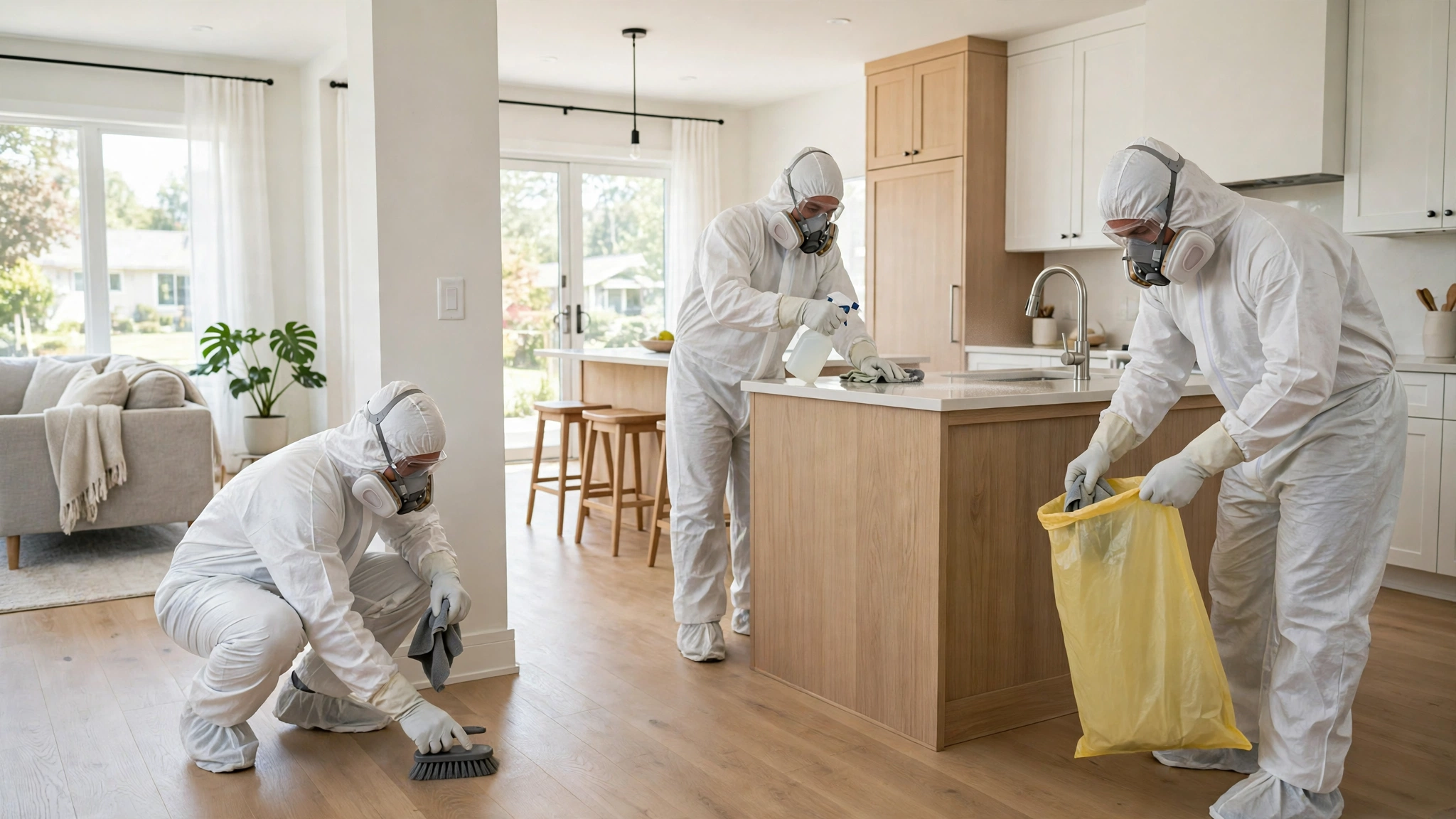
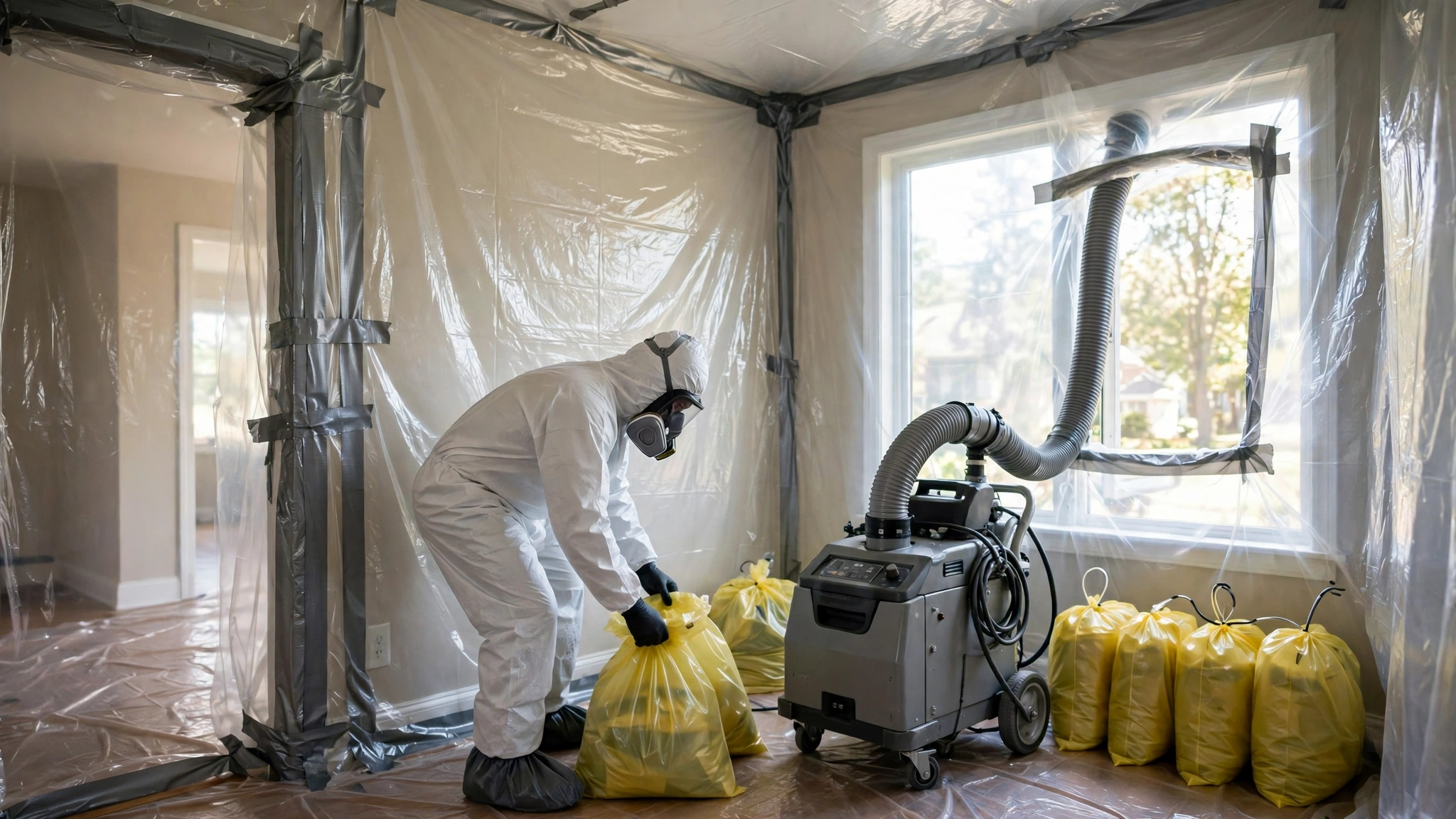
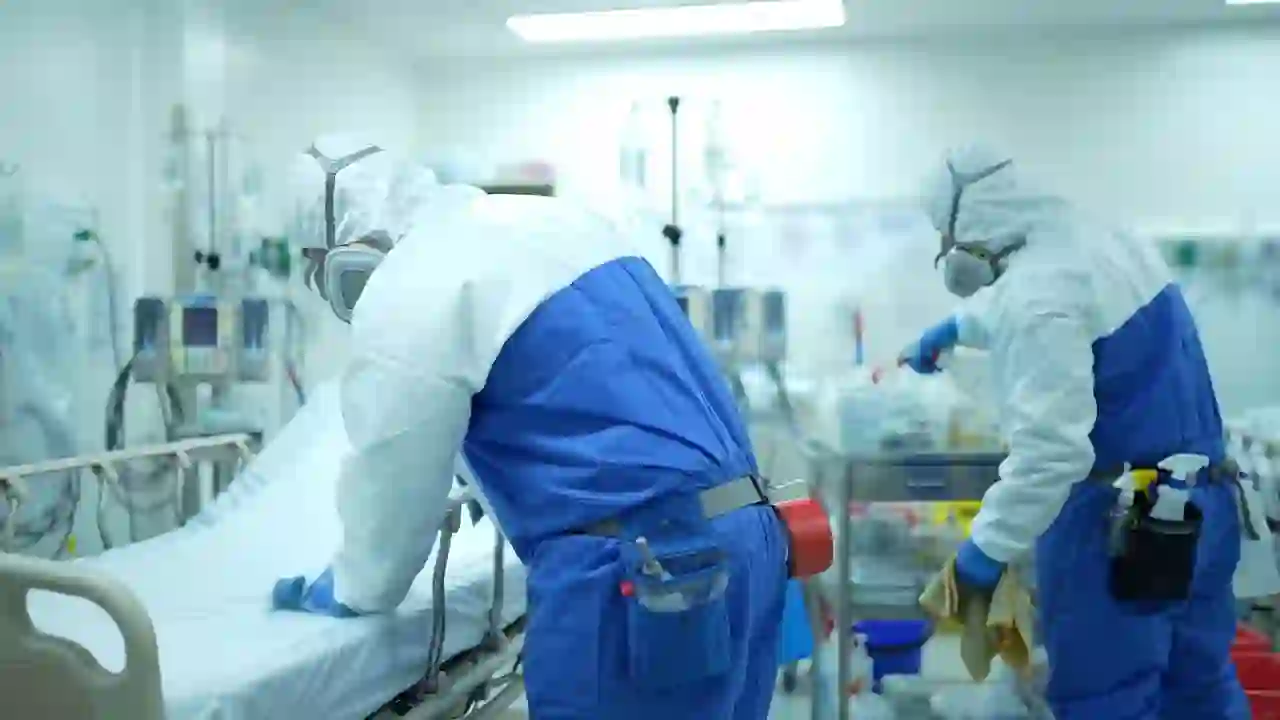
Cleanup in Deep Ellum covers the loft or room where a person was found some time after death, once emergency services and any investigators have released the scene. The work includes removing fluids and staining from floors, bedding, furniture, and fixtures, taking out porous material that cannot be disinfected safely, disinfecting the hard surfaces that can be saved, and dealing with odor at its source rather than covering it with fragrance. Adjoining rooms are checked for spread along floors, walls, and air routes, and shared parts of the property are protected during the visit, with waste leaving in sealed containers through the agreed route. Service covers only the 15 verified neighborhoods in Dallas, Texas, and coverage is confirmed by ZIP. The visit closes with a plain-language written summary covering removals, disinfection, and anything left for the family or manager to decide, giving a clear record of the work done. The scope also covers the protection of shared areas during the visit, so corridors, entries, and service routes are guarded and left clean even when they were never contaminated. The scope is revisited at the final re-check, when the crew confirms that every room included in the plan was treated, dried, and inspected before handover. The final re-check covers every room in the scope, confirming cleaning, disinfection, and dryness before the property is handed back.
Illustrative image, not a specific customer job.Illustrative image, not a specific customer job.Illustrative image, not a specific customer job.
How unattended death cleanup is done in Deep Ellum
1. Initial call and site planning
A short planning call precedes every visit, and it covers the essentials: has the scene been released, what kind of property is it, which rooms are affected, and who can give access. Further questions cover sentimental belongings, shared corridors or walls, parking, and building rules, all of which shape containment and container routes. The crew then explains the sequence of work and the decisions the family or manager will face, so the visit day holds no surprises and clean rooms are never crossed without reason. For a home like a converted loft in Deep Ellum, the crew fits this stage to the actual layout on the day.
2. Arrival, access, and corridor protection
On site, protection comes before cleaning. Corridors, entries, and elevator or stair surfaces are guarded, staging is contained, and the route for sealed containers is confirmed. The affected room's door remains closed while the crew prepares, preventing odor and particles from reaching shared air. The crew also confirms who is authorized to be present and which rooms are in scope, so the work that follows stays inside its agreed boundaries. For a home like a converted loft in Deep Ellum, the crew fits this stage to the actual layout on the day.
3. Assessment and containment
Before removal, the crew assesses and contains. Assessment covers the affected room plus adjoining spaces, tracing fluids along seams and joints, odor into soft furnishings, and moisture into floors and wall bases. Containment then isolates the work area, with controlled airflow preventing outward drift during removal and disinfection. This pairing is essential in properties with shared walls or air systems, where an uncontained room could affect neighbors. The crew explains the assessment's findings to the family or manager, including which rooms are in scope and why. For a converted loft in Deep Ellum, the crew adapts this stage to the rooms and surfaces involved.
4. Removal of contaminated material
Removal is staged and contained: the crew works within the contained area, seals contaminated porous material in bags and containers before moving it, and carries it out by the agreed route without crossing clean rooms. Bedding, upholstery, rugs, and clothing that absorbed fluids or odor deeply are the most common removals, while hard-surface furniture and fixtures stay for disinfection. Sentimental items are handled separately as agreed on the call. After each section is cleared, the crew inspects the exposed surfaces for further staining, seams, or moisture before disinfection begins. In a converted loft in Deep Ellum, that stage is shaped by the property's layout and access.
5. Cleaning, disinfection, and drying
Cleaning and disinfection are done surface by surface, not as a general wipe-down. Floors, fixtures, counters, and frames are disinfected, with seams, grout lines, and wall bases receiving particular attention, and the crew verifies each area as it goes. Drying follows disinfection, and the crew confirms dryness in the affected room and adjoining rooms before considering the work complete. Where moisture traveled under floors or behind wall bases, those areas are dried and re-checked, because hidden dampness is a common cause of returning odor after an otherwise thorough cleanup. In Deep Ellum, this stage is planned around the property's rooms, access, and shared areas.
6. Final check and written summary
A closing check verifies the work before handover: the affected room and involved adjoining rooms are inspected, seams and joints are re-examined, dryness is confirmed, and odor is checked at its source. Anything that fails is treated before the crew leaves, not noted for later. The written summary that follows records removals, disinfection, and remaining decisions in plain language, and it is given to the family or manager as the record of the visit. The room is returned only after this check passes. In a converted loft in Deep Ellum, that stage is shaped by the property's layout and access.
Warning signs to call about
A resident who usually collects mail, tends a yard, or greets neighbors stops doing so, and the change persists across several days. The crew hears this pattern often on planning calls, and it usually indicates a room that has been closed for some time. Acting on this sign early helps emergency services respond sooner and keeps the room from changing further.
A property manager receives concern from neighboring units about odor or silence, and finds the unit's occupant unreachable by every usual route. When this sign appears together with silence from the resident, contacting emergency services is the right next step rather than waiting longer. This sign alone does not confirm anything, but it is a reason to seek a check rather than to wait and see.
A routine visit by a friend, relative, or care visitor goes unanswered, and the home shows no sign of recent activity inside. Alone, this sign may have an innocent explanation, but combined with unanswered contact it deserves prompt attention. Acting on this sign early helps emergency services respond sooner and keeps the room from changing further.
Family members living elsewhere find calls going unanswered and messages unread, and a check-in visit finds the home silent and closed. That pattern is worth acting on promptly, since delay lets a closed room change further and lets odor reach adjoining spaces. When neighbors notice this sign, a prompt call to emergency services is more helpful than entering the home.
A neighbor or family member reports that the resident has not answered calls, messages, or visits for an unusual length of time. Neighbors and family members who notice this sign should not enter the home themselves, but should contact emergency services for a check. If this sign appears after a holiday or a planned visit goes unanswered, treat it as a prompt to check, not to wait.
A landlord or manager notices rent, maintenance, or routine contact breaking down, or finds a unit silent when the resident was expected to respond. The crew hears this pattern often on planning calls, and it usually indicates a room that has been closed for some time. If this sign appears after a holiday or a planned visit goes unanswered, treat it as a prompt to check, not to wait.
What to do first
Your first action is to contact emergency services if they have not attended yet; no cleanup starts until the scene is released by them. Keeping to this step avoids spreading contamination before the crew has assessed the room.
Do not switch on air systems that serve the whole home until the crew has assessed airflow, because a house-wide system can carry odor into clean rooms. This step is simple but important, and it costs nothing to observe while waiting.
Photograph the access route and the property layout only if it is safe and appropriate to do so, and keep lease or manager contact details ready for the handover discussion. This precaution matters most in the period between discovery and the crew's arrival.
Write down when the resident was last seen or contacted, since that timing helps the crew understand how long the room was closed. Keeping to this step avoids spreading contamination before the crew has assessed the room.
Keep children and pets away from the property's affected areas, and keep shared corridors and entries clear for the crew's arrival and staging. This step is simple but important, and it costs nothing to observe while waiting.
Do not discard items from the room before the assessment, because items that look affected may be salvageable and items that look clean may not be. A short note on this point helps the planning call build an accurate plan.
Avoid entering the room to retrieve items before the assessment, even items that look clean, because contamination and odor may not be visible. This precaution matters most in the period between discovery and the crew's arrival.
When unattended death cleanup is needed in Deep Ellum
Consider a hypothetical illustration where a coworker or acquaintance notices that an artist who lived alone in a converted brick loft has missed work and social contact without explanation, and a welfare check by emergency services discovers the death some time after it happened. After release, the family faces a home where one room needs specialist work and adjoining rooms need checking. The crew's staged sequence, from containment through removal, disinfection, drying, and re-check, gives the family a predictable process during an unpredictable week, and the written summary closes the visit with a documented record. This hypothetical case is included because it mirrors how such situations typically surface: quietly, through absence noticed by someone who knew the resident's routines.
As an illustration, adult children living in another city might realize that an artist who lived alone in a converted brick loft has missed several expected calls, then ask a neighbor to check on the home. The neighbor finds the home silent and contacts emergency services, who discover the death and release the scene after their work. The children arrange cleanup remotely, with access given through an authorized contact, and the crew's updates plus the written summary let them understand the work without traveling to enter rooms that are not yet ready. Belongings of sentimental value are flagged on the call for separate assessment. This is a hypothetical illustration, not a real customer's story, and it is included so readers can recognize the pattern of stopped routines and unanswered contact early.
In a hypothetical illustration, a friend who usually visits an artist who lived alone in a converted brick loft weekly might arrive to find the home closed, the car unmoved, and calls going unanswered. Concerned, the friend contacts emergency services, who discover the death some time after it happened and later release the scene. The friend then helps the family arrange cleanup, and the crew's assessment maps which rooms are involved before any belongings are moved. That order matters, because moving items before assessment can spread contamination to rooms that were never affected. As a hypothetical example, it shows how discovery often happens through other people noticing absence, rather than through the resident seeking help.
Scenarios above are hypothetical illustrations, not real customer jobs.
Unattended death cleanup in Deep Ellum: questions people ask
Can a crew work in a converted loft in Deep Ellum, and what does the property need to provide?
Yes. The crew plans around the property on the first call, asking about access, entries, shared areas, and who is authorized to give access. For a converted loft in Deep Ellum, that planning covers the rooms involved, the route for sealed containers, and any building procedures that apply. The family or manager does not need to prepare the room, and should not enter or tidy it before the assessment. The crew brings containment, protective equipment, and disinfection materials, and protects shared areas throughout the visit, so the property's role is mainly access, information, and decisions about belongings. In Deep Ellum, older and newer rooms in the same property can behave differently, so the assessment treats each room on its own evidence.
Does weather or season affect cleanup in Deep Ellum?
Yes, and the crew accounts for it in planning. Heat accelerates change in a closed room, humidity keeps odor strong and growth active, and wet weather can add water routes through roofs, drains, and low entries. The planning call therefore asks how long the room was closed and whether weather reached the property, and the crew adjusts emphasis accordingly: containment speed in hot spells, drying verification in humid spells, and water-route checks after heavy rain. The sequence of work stays the same in every season, with the re-check confirming the room is ready. In Deep Ellum, older and newer rooms in the same property can behave differently, so the assessment treats each room on its own evidence.
Are personal items such as photographs and letters handled differently?
Yes. Items of sentimental value named on the first call are identified early and assessed separately from general contents, even when they sit close to the affected spot. The crew explains what disinfection can and cannot achieve for each material, and discusses borderline items with the family or manager before acting. Photographs, letters, and small personal items are often assessed individually, and the family decides their fate with the crew's findings explained. General contents follow the standard material test, while sentimental items receive individual attention. In Deep Ellum, older and newer rooms in the same property can behave differently, so the assessment treats each room on its own evidence.
Does the crew clean shared areas too, such as corridors or entries?
Shared areas are protected during the visit, and any shared surface affected by the work is cleaned. Corridor floors, elevator interiors, stair treads, and entry floors are guarded before work begins, and the container route is kept clean throughout. If the assessment shows odor or contamination reached a shared area, that area is included in the cleaning scope. Shared areas that were never affected are left untouched and clean, and the crew's staging is kept contained so residents and visitors can use the building normally. For homes like a converted loft in Deep Ellum, shared walls, corridors, and entries shape the plan as much as the affected room itself.
What should a landlord do after a tenant is found some time after death in Deep Ellum?
A landlord should first ensure emergency services have attended and released the scene, keep the unit closed and untouched, and then arrange a planning call. The crew will ask about authority, access, building procedures, and any family or estate contact, and will protect corridors, shared areas, and neighboring units throughout. The written summary provides the record the landlord needs for handover and for discussions with the family or estate. Tenancy and rent matters are separate from cleanup and are handled between the landlord and the family or estate. For homes like a converted loft in Deep Ellum, shared walls, corridors, and entries shape the plan as much as the affected room itself.
How discreet is the visit, and what will neighbors see?
The visit is deliberately discreet: a quiet arrival, contained staging, protected shared areas, and sealed containers moved by an agreed route. Neighbors may notice a crew presence, but they are not told personal details, and shared spaces are left clean. The crew avoids display, keeps staging compact, and coordinates timing and routes with building management where applicable. The written summary goes to the family or manager only, not to the building at large, and the crew's conduct reflects the sensitivity of the situation throughout. For homes like a converted loft in Deep Ellum, shared walls, corridors, and entries shape the plan as much as the affected room itself.