Unattended death cleanup in Downtown Dallas handles a high-rise apartment where a death went undiscovered for a period, after emergency services have attended and released the scene. The discovery itself is distressing, and the practical response starts with a simple rule: call emergency services first if they have not yet attended, keep the room closed, and do not try to clean it yourself. Once released, the room is assessed, contained, and cleaned in stages: contaminated material out in sealed containers, hard surfaces disinfected, adjoining rooms checked, and odor dealt with where it starts. The visit ends with a written account of what was done. The visit is planned around the property's rooms, surfaces, and access, rather than following a generic checklist.
Downtown Dallas rises vertically. People live in towers and mid-rise blocks where one front door opens onto a shared corridor, where the elevator lobby serves the whole floor, and where a neighbor may live only a few feet away on the other side of a wall. An unattended death in that setting is a private loss that must still be handled inside a building full of other residents, with building staff, service elevators, and loading docks shaping the practical details. Families often live elsewhere in the region, so the work also has to be explainable from a distance, with clear updates and a written record at the end. The building's shared spaces add a second audience for the work, since neighbors and building staff will notice the visit even when they are told nothing personal. Those property details matter because they decide which rooms are checked, which surfaces are treated, and how containers leave.
The work after an unattended death is different from ordinary cleaning in kind, not just in degree. Ordinary cleaning assumes a surface can be wiped and used again; here, porous material near the affected spot often cannot be disinfected safely at all, and hard surfaces need disinfection plus a re-check, not a single pass. Odor is treated by finding its source, not by covering it, and the source is found and removed before any deodorizing happens. Families are told plainly what was removed and why, because unexplained removals add distress to an already painful week. The assessment therefore looks beyond the most visible staining, tracing how fluids, odor, and moisture traveled through seams, joints, grout, and shared air, and which rooms those routes connect. Soft materials are checked for absorption, hard surfaces are tested for salvageability, and adjoining rooms are examined before they are declared clear. That thoroughness is what separates a room that is genuinely restored from a room that merely looks cleaner for a day, and it is why the crew explains its findings before removal begins rather than asking the family to trust an unseen process. That context shapes the assessment, since the crew plans containment and room order around the home in front of them.
This page explains the work for this neighborhood specifically: how the local housing, access, and climate shape the plan, what the crew checks first, and what families and managers can expect at each stage. It also answers the questions people ask most often about this kind of cleanup in this kind of property, from what happens to belongings to whether shared areas are cleaned too. The aim is practical clarity: by the end of the page, a family member or manager should understand the sequence, the decisions they will be asked to make, and the point at which the room can be used again. The work's order is fixed even though its details vary: release by emergency services, assessment, containment, removal, disinfection, drying, and re-check, with a written summary at handover. That order protects clean rooms, protects neighbors, and protects the family from decisions made without facts. The rest of this page fills in the details for this neighborhood, showing how housing, access, and climate change the emphasis inside each stage without changing the sequence itself.
Unattended death cleanup in Downtown Dallas: local factors
Housing and surfaces in Downtown Dallas
Tower apartments here are compact by design: a living area that opens straight into a sleeping area, a small kitchen, a bathroom, and a closet or two, all served by one entry door and a shared corridor. Hard floors in the living space, carpet or rugs in the bedroom, and a bathroom with tile and grout give fluids several different surfaces to reach, and the wall shared with the next unit means odor and moisture are never only one household's problem. Balconies, utility closets, and hallway storage nooks add small spaces that must be checked rather than assumed clean. That variety of surfaces is why the assessment walks the whole property before any removal begins, rather than starting in the most visibly affected room. The crew confirms these local details during assessment, adjusting containment and room order to the surfaces and connections found on the day rather than to any assumption made on the call. This factor interacts with the others on this page, and the crew weighs the combination rather than treating any single factor in isolation.
Access and staging in Downtown Dallas
Arrival is planned around the building, not just the unit. The crew confirms which entrance and elevator serve the floor, where a cart can be staged without blocking residents, and how sealed containers leave through a service route or loading area rather than the main lobby. Corridor floors and elevator interiors are protected during the visit, and the door to the unit stays closed except when the crew is actively passing through, so nothing drifts into shared air. Where parking or entry is limited, the crew plans compact staging and timed trips so the visit stays unobtrusive. On the day, the crew walks the property with these factors in mind, checking each one against the rooms in front of them before finalizing the order of work. During assessment, the crew notes how this factor appears in the actual home, and the written summary reflects those observations rather than a generic description.
Climate and seasonal factors in Downtown Dallas
Dallas homes face a seasonal rhythm that shapes cleanup planning. Hot, humid summers accelerate odor and growth in closed rooms, while storm season brings heavy rain that can overwhelm drains and push sewage into ground-level spaces. A crew planning work here therefore asks about both: how long the room was closed in the heat, and whether any storm water reached the property. The answers change the emphasis, with drying and drain-route checks rising in importance during wet spells and containment speed rising during hot spells. In every season, the sequence stays the same, and the re-check at the end confirms the room is genuinely ready to use again. In a sealed tower unit, warm humid Dallas air keeps odor strong and lets growth build quickly, so containment and drying matter from the first hour. Where a local factor points to wider spread, the crew extends the check to adjoining rooms before declaring any room clear, rather than assuming the problem stayed in one place. On the planning call, the crew asks about this factor specifically, because an early answer here can change containment and room order.
Belongings, odor, and neighbors in Downtown Dallas
Decisions about belongings are made with the family or manager, not for them in silence. The crew explains which items can be disinfected safely, which porous items cannot, and which items sit in between and need a decision. Sentimental items named on the first call are set aside for separate assessment, and the crew avoids moving items out of the affected room before that assessment, because moving items can spread contamination to clean areas. The written summary at handover lists removals and retentions plainly, so the family can account for the home's contents without entering rooms before they are ready. Neighbors on the same floor may have noticed odor or a quiet unit first, and discretion toward them is part of the job. A factor that looks minor on the call, such as a shared vent or a floor seam, can change the scope on arrival, which is why assessment precedes removal in every visit. The crew checks this factor against the rooms themselves on arrival, since a general neighborhood pattern never replaces a property-specific assessment.
What unattended death cleanup covers in Downtown Dallas
Cleanup in Downtown Dallas covers the apartment or room where a person was found some time after death, once emergency services and any investigators have released the scene. The work includes removing fluids and staining from floors, bedding, furniture, and fixtures, taking out porous material that cannot be disinfected safely, disinfecting the hard surfaces that can be saved, and dealing with odor at its source rather than covering it with fragrance. Adjoining rooms are checked for spread along floors, walls, and air routes, and shared parts of the property are protected during the visit, with waste leaving in sealed containers through the agreed route. Service covers only the 15 verified neighborhoods in Dallas, Texas, and coverage is confirmed by ZIP. Handover includes a plain-language summary of what was removed, what was disinfected, and what the family or manager still needs to decide, closing the visit with a clear record. Rooms outside the confirmed scope are left exactly as they were, and the crew's route through the property is planned to avoid crossing clean rooms with containers or equipment. The handover summary lists every room covered and the work done in each, so the family or manager can see the full extent of the visit without entering rooms themselves. The crew's container route is walked before removal begins, so sealed containers never cross clean rooms or shared living areas on their way out.
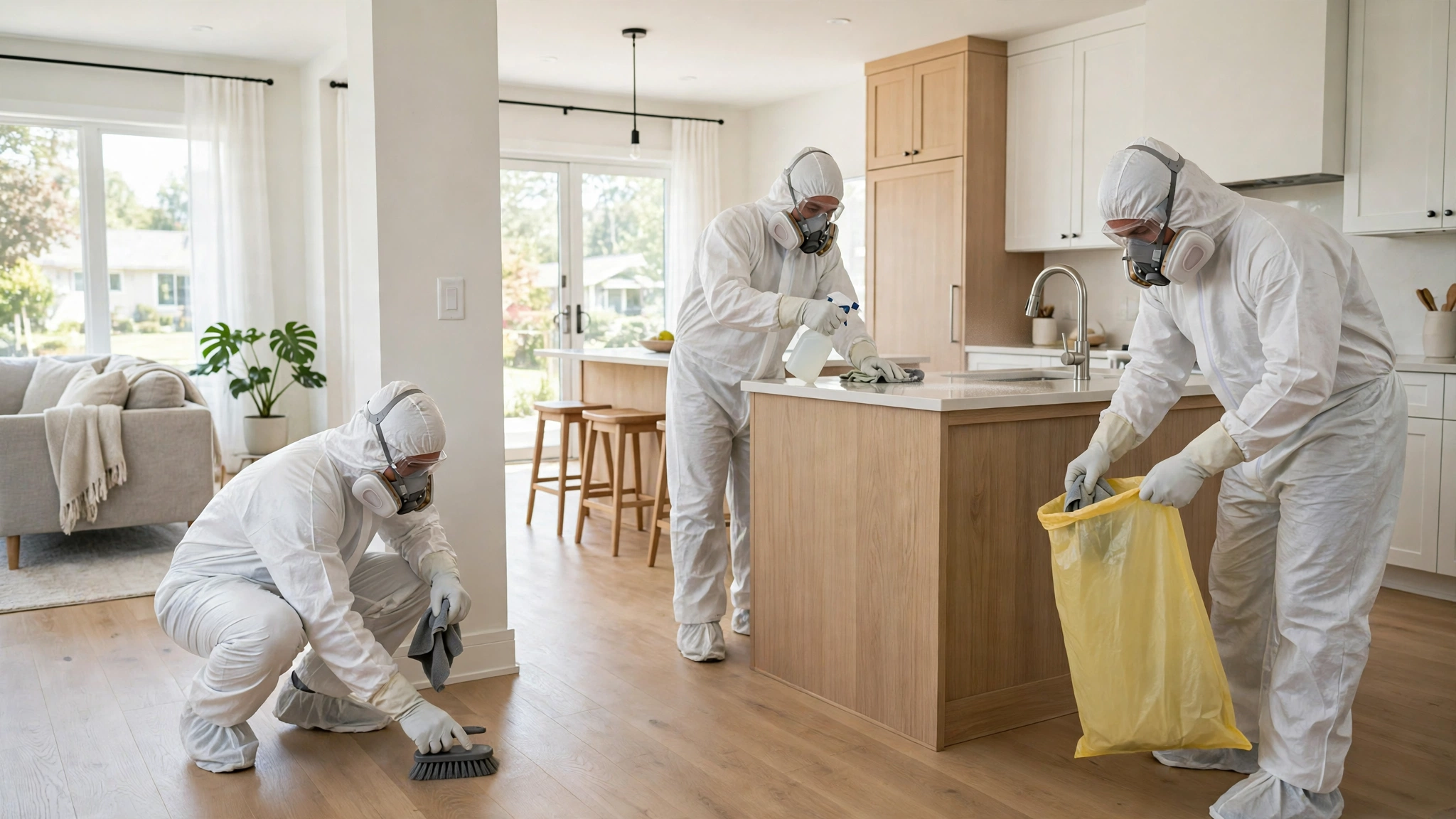
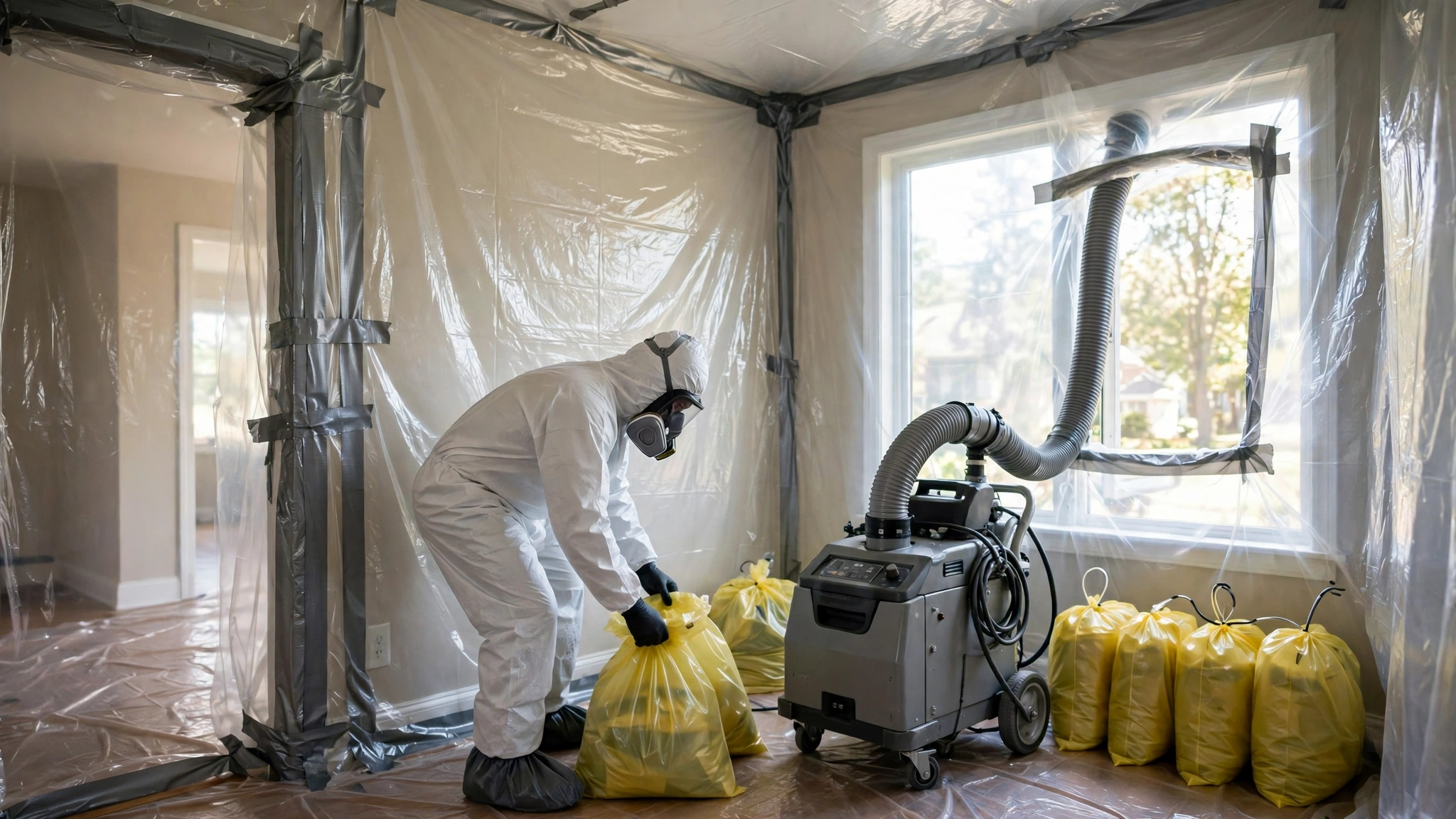
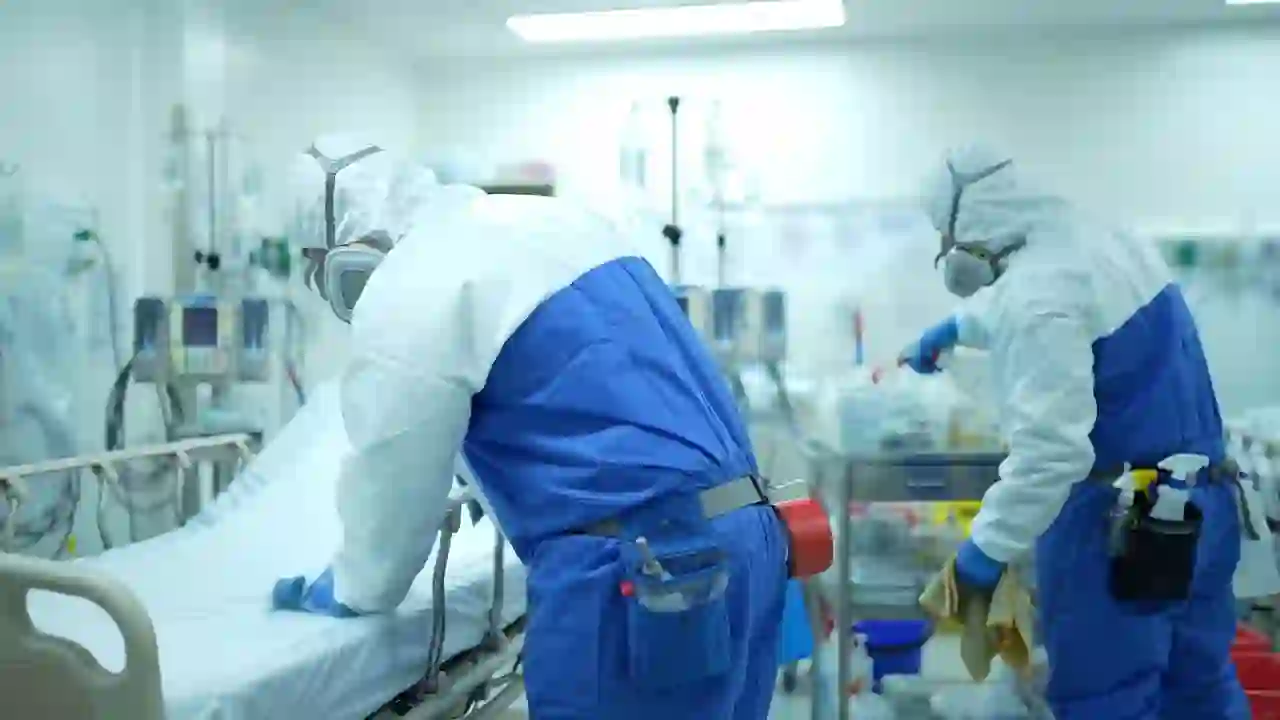
Illustrative image, not a specific customer job.Illustrative image, not a specific customer job.Illustrative image, not a specific customer job.
How unattended death cleanup is done in Downtown Dallas
1. Opening call and planning the visit
The first call gathers the facts that shape the whole visit: where the property is, what kind of home it is, which rooms are involved, whether emergency services have released the scene, and who is authorized to give access. The crew also asks about items of sentimental value, shared areas, and any building rules about entries or service routes. From those answers, a plan is made for containment, access, staging, and the order of work, so the visit itself proceeds without guesswork or unnecessary trips through clean rooms. In Downtown Dallas, this stage is planned around the property's rooms, access, and shared areas.
2. Arrival and protection of shared areas
Arrival follows the plan made on the call: the agreed entry is used, shared surfaces are protected, and staging is set up in a contained area. The crew confirms the container route before any material moves, and keeps the affected room closed until containment is ready. This stage also includes a brief conversation with the family, manager, or building contact about access, timing, and any last details, so the heavier work begins with everyone understanding the sequence. For a home like a high-rise apartment in Downtown Dallas, the crew fits this stage to the actual layout on the day.
3. Room assessment and setting up containment
The room is assessed in full before removal starts: surfaces, seams, joints, and adjoining rooms are examined, and the routes by which fluids, odor, and moisture traveled are identified. Containment follows assessment, sealing the work area and managing airflow so particles and odor stay inside it. This order matters: removing material from an uncontained room can carry contamination into clean rooms on air currents, shoes, or containers. The assessment also decides which items can be disinfected and which porous items cannot, so removal decisions are made with evidence rather than assumption. For a high-rise apartment in Downtown Dallas, the crew adapts this stage to the rooms and surfaces involved.
4. Taking out material that cannot be disinfected
Removal is staged and contained: the crew works within the contained area, seals contaminated porous material in bags and containers before moving it, and carries it out by the agreed route without crossing clean rooms. Bedding, upholstery, rugs, and clothing that absorbed fluids or odor deeply are the most common removals, while hard-surface furniture and fixtures stay for disinfection. Sentimental items are handled separately as agreed on the call. After each section is cleared, the crew inspects the exposed surfaces for further staining, seams, or moisture before disinfection begins. For a home like a high-rise apartment in Downtown Dallas, the crew fits this stage to the actual layout on the day.
5. Cleaning, disinfection, and drying
With contaminated material removed, the crew cleans and disinfects the hard surfaces that remain: floors, fixtures, counters, door frames, and any sealed surfaces the assessment found salvageable. Disinfection is applied thoroughly, including seams, joints, and grout lines, and the crew allows proper contact time rather than wiping and moving on. Drying follows, and it is verified rather than assumed, because a room handed back damp will develop odor again. The crew checks floors, wall bases, and adjoining rooms for dryness before the final check, and repeats disinfection on any surface that does not pass. In Downtown Dallas, this stage is planned around the property's rooms, access, and shared areas.
6. Closing check and plain-language summary
A closing check verifies the work before handover: the affected room and involved adjoining rooms are inspected, seams and joints are re-examined, dryness is confirmed, and odor is checked at its source. Anything that fails is treated before the crew leaves, not noted for later. The written summary that follows records removals, disinfection, and remaining decisions in plain language, and it is given to the family or manager as the record of the visit. The room is returned only after this check passes. For a high-rise apartment in Downtown Dallas, the crew adapts this stage to the rooms and surfaces involved.
Warning signs to call about
Neighbors notice an absence that does not match the resident's normal pattern, such as a daily walk, a porch routine, or a regular outing stopping suddenly. This sign matters because it indicates time passing without the resident's normal activity, which is the core pattern in unattended deaths. Acting on this sign early helps emergency services respond sooner and keeps the room from changing further.
An odor near a side door, window, or vent grows stronger over days rather than fading, suggesting a source inside that is not being treated. When this sign appears together with silence from the resident, contacting emergency services is the right next step rather than waiting longer. Acting on this sign early helps emergency services respond sooner and keeps the room from changing further.
A neighbor or family member reports that the resident has not answered calls, messages, or visits for an unusual length of time. The crew hears this pattern often on planning calls, and it usually indicates a room that has been closed for some time. Acting on this sign early helps emergency services respond sooner and keeps the room from changing further.
A routine visit by a friend, relative, or care visitor goes unanswered, and the home shows no sign of recent activity inside. This sign matters because it indicates time passing without the resident's normal activity, which is the core pattern in unattended deaths. If this sign appears after a holiday or a planned visit goes unanswered, treat it as a prompt to check, not to wait.
A strong odor comes from one room or unit and does not clear when the space is ventilated, which often points to a room that has been closed for some time. The crew hears this pattern often on planning calls, and it usually indicates a room that has been closed for some time. The pattern behind this sign is time passing without normal activity, which is why it should not be ignored.
Perishable food, appointments, or daily tasks appear neglected for days, while the resident had previously kept regular habits. The crew hears this pattern often on planning calls, and it usually indicates a room that has been closed for some time. This sign alone does not confirm anything, but it is a reason to seek a check rather than to wait and see.
What to do first
Your first action is to contact emergency services if they have not attended yet; no cleanup starts until the scene is released by them. Following this step keeps shared areas and neighboring homes protected.
Photograph the access route and the property layout only if it is safe and appropriate to do so, and keep lease or manager contact details ready for the handover discussion. Following this step keeps shared areas and neighboring homes protected.
Keep a note of the property layout, the rooms involved, and the access details, so the planning call can build an accurate plan without a second visit. That step protects both the room and the rest of the property while the plan is made.
Do not run fans or the air system in a way that blows air from the affected room through the rest of the home, and do not open windows in a way that pushes air into shared areas. This precaution matters most in the period between discovery and the crew's arrival.
Do not discard items from the room before the assessment, because items that look affected may be salvageable and items that look clean may not be. Following this step keeps shared areas and neighboring homes protected.
Do not try to mop, bleach, or wipe the room yourself, and do not move furniture or belongings out of the room, because moving items can spread contamination to clean areas. Keeping to this step avoids spreading contamination before the crew has assessed the room.
If the property is rented, tell the manager early so access, keys, and building procedures can be arranged before the crew arrives. That step protects both the room and the rest of the property while the plan is made.
When unattended death cleanup is needed in Downtown Dallas
For example, a family might discover that a relative who lived alone in a downtown tower has died some time earlier only when a routine service visit, such as a scheduled delivery or a care visit, goes unanswered and the visitor raises concern. Emergency services attend and release the scene, and the family must then decide how to handle a home they may not have visited in months. The crew contains the affected room, assesses adjoining rooms for spread, and works through removal, disinfection, and drying in stages, with a written summary at handover that lets the family follow every decision from a distance. This hypothetical case is included because it mirrors how such situations typically surface: quietly, through absence noticed by someone who knew the resident's routines.
For example, a relative living elsewhere might try to reach a relative who lived alone in a downtown tower for days without success, then travel to Downtown Dallas and find the home silent, with mail gathered and no sign of recent activity. Emergency services are called, attend, and release the scene, and the relative is left with a home full of belongings and one room that needs specialist attention. The crew's staged approach means the relative does not need to enter the affected room, and the written summary explains which rooms were covered, what was removed, and what remains for the family to decide. As a hypothetical example, it shows how discovery often happens through other people noticing absence, rather than through the resident seeking help.
Consider a hypothetical illustration where a coworker or acquaintance notices that a relative who lived alone in a downtown tower has missed work and social contact without explanation, and a welfare check by emergency services discovers the death some time after it happened. After release, the family faces a home where one room needs specialist work and adjoining rooms need checking. The crew's staged sequence, from containment through removal, disinfection, drying, and re-check, gives the family a predictable process during an unpredictable week, and the written summary closes the visit with a documented record. This hypothetical case is included because it mirrors how such situations typically surface: quietly, through absence noticed by someone who knew the resident's routines.
Scenarios above are hypothetical illustrations, not real customer jobs.
Unattended death cleanup in Downtown Dallas: questions people ask
What does the crew need to know on the first call about Downtown Dallas?
The crew needs the property type and rooms involved, confirmation that emergency services have released the scene, the name of the person authorized to give access, and any items of sentimental value to assess separately. Details about access, shared areas, parking, and building procedures help plan containment and container routes. Information about when the resident was last seen or contacted helps the assessment, because it indicates how long the room was closed. The more accurate those details are, the better the plan and the smoother the visit. In Downtown Dallas, older and newer rooms in the same property can behave differently, so the assessment treats each room on its own evidence.
What should I do first if I discover a death in Downtown Dallas?
Contact emergency services first, if they have not already attended, and keep everyone out of the affected room until the scene is released. Do not try to clean the room, move belongings, or open windows in a way that pushes air into other rooms. Keep the door closed, keep people and pets away, and note when the resident was last seen or contacted, since that timing helps the crew's assessment. Once emergency services have released the scene, a planning call arranges containment, access, and the order of work for the property. In Downtown Dallas, older and newer rooms in the same property can behave differently, so the assessment treats each room on its own evidence.
Do I need to be present during the cleanup in Downtown Dallas?
Presence is not required, provided someone authorized can give access and make decisions about belongings, or those decisions have been discussed on the planning call. Many families live elsewhere and arrange the work remotely, receiving updates and the written summary at handover. The crew confirms access, the container route, and sentimental items on the call, so the visit can proceed without the family entering the affected rooms. If the family or manager wishes to be present for parts of the visit, that is arranged around containment and safety. For a high-rise apartment in Downtown Dallas, the crew checks humidity, airflow, and adjoining rooms together, since Dallas conditions connect them.
What should a landlord do after a tenant is found some time after death in Downtown Dallas?
A landlord should first ensure emergency services have attended and released the scene, keep the unit closed and untouched, and then arrange a planning call. The crew will ask about authority, access, building procedures, and any family or estate contact, and will protect corridors, shared areas, and neighboring units throughout. The written summary provides the record the landlord needs for handover and for discussions with the family or estate. Tenancy and rent matters are separate from cleanup and are handled between the landlord and the family or estate. For a high-rise apartment in Downtown Dallas, the crew checks humidity, airflow, and adjoining rooms together, since Dallas conditions connect them.
I am a property manager, not a family member. Can I arrange cleanup for a rented unit in Downtown Dallas?
Yes, provided you are authorized to give access and to make decisions about the unit, or you are acting with the family's or estate's agreement. The crew will ask who holds authority, what the building's procedures are for service visits, and which entry and service route should be used. Shared areas, corridors, and neighboring units are protected throughout, and the written summary goes to the person who arranged the work, with copies for the family or estate as agreed. Rent and tenancy questions are separate from cleanup and are handled by the manager and the family. For homes like a high-rise apartment in Downtown Dallas, shared walls, corridors, and entries shape the plan as much as the affected room itself.
How soon should cleanup happen after a death is discovered in Downtown Dallas?
Cleanup follows release by emergency services, and after release it should not be delayed without reason, because a closed room continues to change while it waits. Heat and humidity accelerate odor and growth, and odor spreads into adjoining rooms and soft materials over time. The planning call can usually be made as soon as the scene is released, and the crew explains the sequence and timing for the property on that call. Where access or management approval takes time, the room should stay closed and untouched in the meantime, with people and pets kept out. In Downtown Dallas, older and newer rooms in the same property can behave differently, so the assessment treats each room on its own evidence.