Emergency help always comes before cleanup, so call emergency services first if anyone is hurt or at risk, and arrange cleanup only after the scene is stable. Blood cleanup in Lower Greenville, TX covers the rooms where blood is present in a Dallas home of the kind found here, where duplexes, small apartment buildings and older detached houses and units stacked or side by side, with shared walls and compact rooms, plus older houses with hallway plans shape which surfaces need checking. In Lower Greenville, a blood cleanup visit starts with an assessment of the room, containment so nothing is tracked into other rooms, removal of material that cannot be disinfected, and careful disinfection of what remains. A household in Lower Greenville should keep the affected room closed, avoid mopping, vacuuming or bleaching the area, leave items where they are, and describe the room on the first call so the visit can be planned for that property.
Blood in a home is not a spill to be wiped away, and the distinction matters for health as much as for the room itself. A blood cleanup job begins with a simple idea that is easy to overlook in a stressful moment: the visible mark is rarely the full extent of what reached the room. Blood can be present in places that look clean after a first wipe, including grout lines, seams, padding and the edges where one surface meets another. People often want the room back to normal as soon as possible, and the careful sequence on this page exists so that return to use rests on checking, not on hope. Blood cleanup is sensitive work, and it is handled here in factual, practical terms, without graphic detail, so a household can make decisions calmly. When blood is present, the room itself becomes the boundary of the job until it has been assessed, and that boundary is what keeps the rest of the home usable.
The character of Lower Greenville matters in practical ways: a lively residential strip where duplexes and small apartment buildings sit among older houses and local businesses, so privacy, neighbor proximity and shared spaces all enter the planning of a visit. The neighborhood pattern in Lower Greenville affects staging as well, since parking, entry and corridor use all differ between a detached house and a shared building. Access in Lower Greenville is part of the plan from the first call, because shared entries, stairwells and side passages, with neighbors close by on both sides of a shared wall, and equipment, waste and people all have to move through that route without spreading material. Local conditions in Lower Greenville add their own pressure: humid summers that make small units damp quickly, and storm rain that can affect ground-floor units first, which changes how a closed room behaves while a household waits for assessment. What a household sees on the surface in Lower Greenville is only the starting point, because blood follows seams, joints, grout lines and the underside of soft furnishings. A crew planning a visit to Lower Greenville therefore asks about the property type, the rooms involved and the surfaces blood reached, rather than working from a generic room description.
The page also covers signs that a room needs professional attention, first steps while waiting, and the difference between surfaces that can be disinfected and materials that usually cannot. Questions at the end of the page are written for Lower Greenville too, so they address the housing, surfaces and access patterns of this neighborhood rather than repeating generic answers. The work is described in the order it happens, from assessment and containment through removal, disinfection, checking and handover, so there are no surprises during the visit. Privacy is handled by keeping work contained to the affected room and route, so the rest of the home and neighboring properties are not drawn into the job. Where this page mentions waste, it means contaminated material taken away through a proper regulated route, never ordinary household waste and never a household bin. The scenarios further down this page are hypothetical illustrations only, written to show how different rooms in Lower Greenville can be affected, not accounts of real households.
Blood cleanup in Lower Greenville: local factors
Building stock in Lower Greenville
In Lower Greenville, duplexes, small apartment buildings and older detached houses define the starting point for assessment, because the crew checks the materials blood actually reached rather than assuming one room type. Room size and room use in Lower Greenville matter as well, since a bedroom, a bathroom and a kitchen each hold different fixtures, textiles and floor finishes to check. In Lower Greenville, the crew plans around the property in front of them, not a standard room, and that planning starts with the housing description given on the first call. A property in Lower Greenville may mix older and newer surfaces after renovation, so the assessment looks at each room on its own terms instead of applying one rule to the whole home. Furnishings add another layer in Lower Greenville, because bedding, upholstery, rugs and curtains can absorb blood and may need removal even when the floor beneath them can be disinfected.
Climate and season in Lower Greenville
Seasonal rain or dust in Lower Greenville can add a second problem to a blood cleanup, when water or dust enters a room that is already contaminated and spreads material further. Where humid summers that make small units damp quickly, and storm rain that can affect ground-floor units first, drying after disinfection also needs care, because a surface that looks dry on top may still hold damp underneath, especially in grout, padding and layered flooring. In Lower Greenville, a room that feels hot or damp should be kept closed and undisturbed, rather than opened up for ventilation that carries air through the rest of the home. In Lower Greenville, seasonal damp or heat can strengthen odour in a contaminated room, which is why containment and assessment are treated as early steps rather than later ones. The time of year in Lower Greenville therefore enters the planning conversation, not as a reason to delay, but as a reason to describe the room conditions honestly on the first call.
Access and staging in Lower Greenville
The access plan for Lower Greenville is part of the service, not an afterthought, because a good route protects both the household and the building while the room itself is being handled. In shared buildings in Lower Greenville, corridor use and lift use are agreed in advance where possible, so the visit does not block neighbors or leave a corridor in use longer than needed. Access in Lower Greenville is planned before the visit, because shared entries, stairwells and side passages, with neighbors close by on both sides of a shared wall, and the route from entry to room decides how containment, equipment and waste are managed. Where a property in Lower Greenville shares entries, corridors or parking with neighbors, the plan keeps work inside the affected unit and route, so neighbors are not drawn into the job. A household in Lower Greenville can help by describing the entry, the floor, the parking situation and any building rules on the first call, so the visit is planned around real constraints.
Surfaces and rooms in Lower Greenville
Bathroom fixtures in Lower Greenville properties, including tile, grout, sealant and cabinet bases, are checked as a set, because blood can reach the base of a fixture as well as its visible face. Hardwood in Lower Greenville homes can sometimes be disinfected when blood has stayed on a sealed surface, but worn finishes, seams and gaps change that judgement room by room. In Lower Greenville, the check after disinfection looks again at seams, joints, grout lines and the undersides of fixtures, because those are the places a first pass most often misses. Kitchen surfaces in Lower Greenville add worktops, cabinet bases and floor edges to the check, and any textile in the room, from rugs to curtains, is assessed separately from hard surfaces. Carpet and padding in Lower Greenville bedrooms and living areas usually cannot be disinfected once blood has soaked in, so those materials are commonly removed through the proper waste route.
What blood cleanup covers in Lower Greenville
Blood cleanup covers rooms and surfaces where blood is present after an injury, accident or medical event, including floors, walls, fixtures, bedding and furnishings that blood reached. The service also covers the uncertainty that follows an initial wipe: when a household cannot tell whether a surface is fully clean, that doubt itself is a reason for assessment. Blood cleanup does not include medical care, and it does not begin until any injured person is safe and emergency services have finished, because care for people always precedes care for a room. Documentation of what was removed and what was disinfected is part of handover, so the household has a clear record of the room after the visit. A household does not need to sort contaminated items before the visit, and moving items before assessment can spread blood, so the room should be left as it is and closed off. Where blood is mixed with broken glass, damaged fixtures or other debris, the debris is handled as part of the contaminated room, with care for sharp edges and for material hidden underneath. The work includes removing blood from hard surfaces, disinfecting what can be saved, and taking contaminated material away through a proper regulated waste route. Coverage on this site is limited to the 15 verified neighborhoods in Dallas, TX, and is confirmed by ZIP.
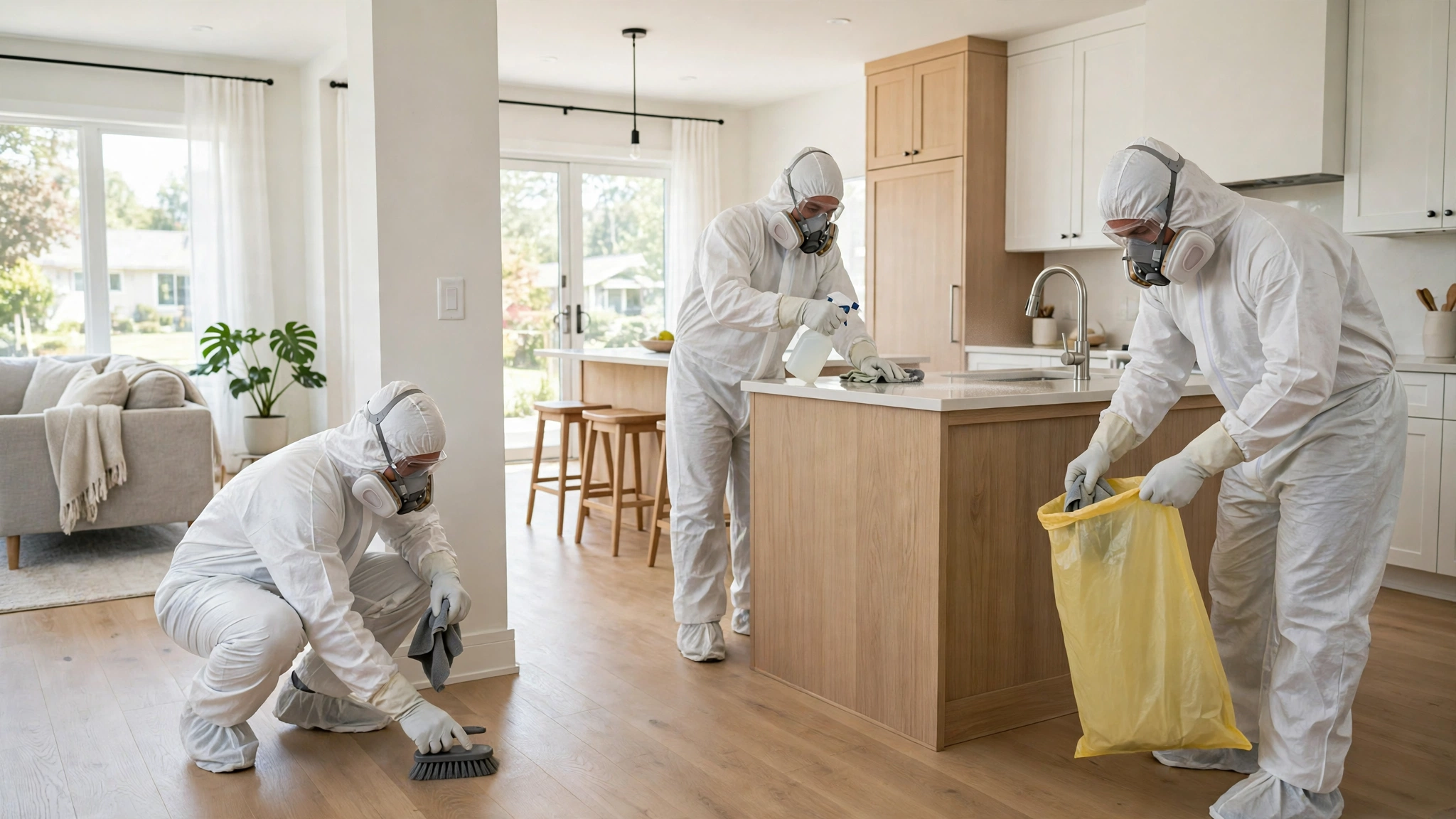
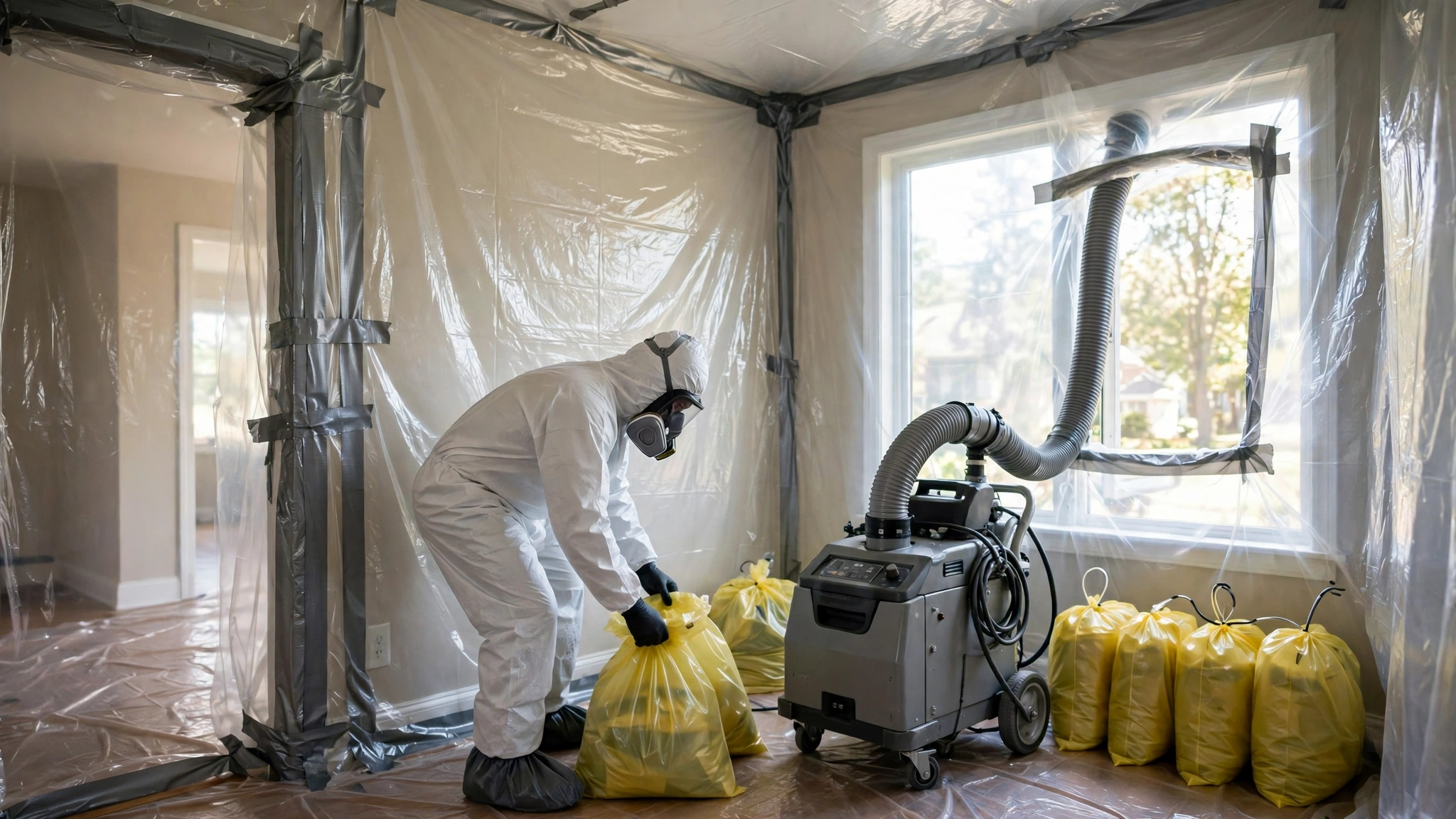
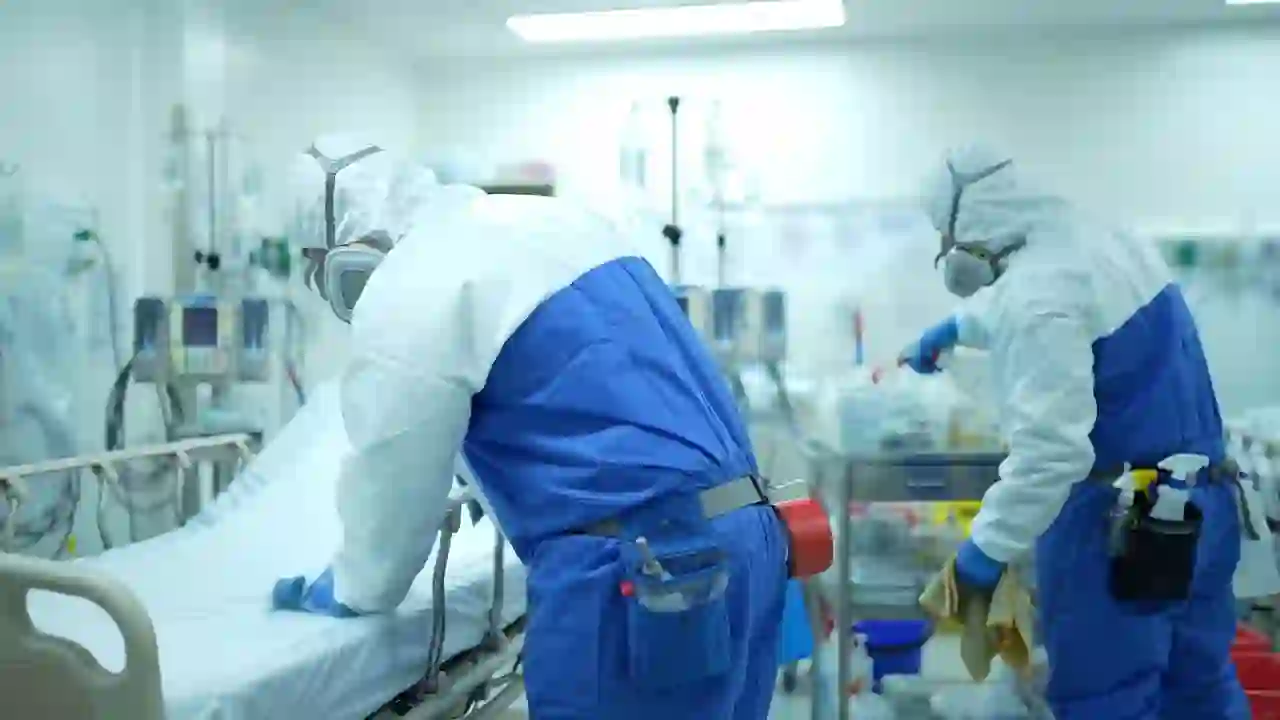
Illustrative image, not a specific customer job.Illustrative image, not a specific customer job.Illustrative image, not a specific customer job.Illustrative image, not a specific customer job.
How blood cleanup is done in Lower Greenville
1. Assess the room first
The visit begins with an assessment of the affected room, including which surfaces blood reached, how far it spread, and which rooms and routes are involved. The assessment ends with a scope the household can understand: which rooms are involved, what will be removed, what will be disinfected, and what will be checked at the end. Assessment includes looking at grout lines, seams, padding, bedding and fixture bases, because those are the places blood hides beyond the visible mark. In Lower Greenville, this stage looks closely at hardwood and tile, older bathroom grout, carpet in bedrooms and plaster walls, because those are the surfaces blood most often reaches in this neighborhood.
2. Contain the affected area
Containment is not a single barrier but a way of working: every movement, from entry to waste removal, is planned to stay inside the affected area. In shared buildings, containment planning includes corridors and lifts, so neighbors are not drawn into a job that belongs inside one unit. Containment comes next, and it means keeping blood inside the affected room and route while work goes on, so the rest of the home stays usable. In Lower Greenville, this stage is planned around shared entries, stairwells and side passages, with neighbors close by on both sides of a shared wall, so the route and the room are handled as one plan rather than two separate problems.
3. Remove what cannot be disinfected
Removed material is not placed in household waste, and it does not sit in a hallway or garage while the rest of the work goes on. Removal is done carefully, with contaminated items contained as they are taken out, so they do not shed material onto clean floors or corridors on the way out. Removal also includes debris mixed with blood, such as broken glass or damaged fixture pieces, handled with care for sharp edges and hidden material. In Lower Greenville, this stage reflects the local housing, where duplexes, small apartment buildings and older detached houses create the surfaces and spaces the crew must work through.
4. Clean and disinfect what can be saved
Grout lines, seams, joints and fixture bases receive particular attention, because those are the places where blood collects and where a quick pass fails. Disinfection is applied in the sequence the room requires, room by room and surface by surface, rather than as a single spray across the whole space. Tile faces, sealed worktops, intact fixtures and sealed flooring are the surfaces most often disinfected and kept, subject to checking afterwards. In Lower Greenville, this stage takes account of the layout, where units stacked or side by side, with shared walls and compact rooms, plus older houses with hallway plans, and that layout decides the order in which rooms are addressed.
5. Handle contaminated waste properly
In shared buildings, waste movement is timed and routed to keep corridors and lifts clear for neighbors as far as the building allows. The waste route is part of the visit plan from the start, not an arrangement made after removal, so removed material never waits in a clean room. Waste is contained, sealed and moved along the agreed route, without passing through living areas unnecessarily and without using household bins. In Lower Greenville, this stage is shaped by local conditions, where humid summers that make small units damp quickly, and storm rain that can affect ground-floor units first, and the room is handled with those conditions in mind.
6. Check the room and hand it back
The room is checked again before it is handed back, including seams, grout lines, fixture bases and the undersides of items that stayed in the room. The household is shown which rooms are back in use and which, if any, still need attention, such as a floor finish or fixture that needs separate repair. If a surface or fixture needs work beyond cleanup, such as repair or replacement, that is named at handover rather than left as an unspoken gap. In Lower Greenville, this stage respects the neighborhood pattern, where a lively residential strip where duplexes and small apartment buildings sit among older houses and local businesses, so the work stays inside the affected property and route.
Warning signs to call about
When a household is avoiding a room, a bathroom or a bedroom because blood is present, that avoidance is itself the sign that professional cleanup is needed. A room that cannot be used safely is a room that needs assessment, removal, disinfection and checking before it returns to use. In Lower Greenville, that sign is read against hardwood and tile, older bathroom grout, carpet in bedrooms and plaster walls, so the check covers the surfaces this neighborhood actually holds.
Uncertainty about spread is itself a sign: blood can travel on shoes, on moved items, on bedding dragged across a floor, and along thresholds into a hallway. When the full extent is unclear, assessment maps the spread before any cleaning decision is made. In Lower Greenville, that sign is read against hardwood and tile, older bathroom grout, carpet in bedrooms and plaster walls, so the check covers the surfaces this neighborhood actually holds.
Staining that remains after wiping, odour that returns, or doubt about whether a surface is truly clean are all signs to stop and seek assessment. Continuing to wipe a doubtful surface can spread material further and make the eventual assessment harder. In Lower Greenville, that sign is read against hardwood and tile, older bathroom grout, carpet in bedrooms and plaster walls, so the check covers the surfaces this neighborhood actually holds.
Tile can wipe clean while grout lines, sealant joints and floor edges still hold blood, and those lines are easy to miss in a quick check. Grout that looks stained, darkened or unchanged after wiping is a sign the room needs assessment rather than another wipe. In Lower Greenville, that sign is read against hardwood and tile, older bathroom grout, carpet in bedrooms and plaster walls, so the check covers the surfaces this neighborhood actually holds.
When blood has soaked into carpet, a mattress, bedding or an upholstered chair, household cleaning cannot reach the material inside the fibres and padding. Those items usually need removal through the proper waste route, and the floor or frame underneath them needs checking separately. In Lower Greenville, that sign is read against hardwood and tile, older bathroom grout, carpet in bedrooms and plaster walls, so the check covers the surfaces this neighborhood actually holds.
When a room is used by children, older residents or anyone with a weakened immune system, the threshold for seeking professional cleanup is lower, because infection risk from biological material matters more for those residents. A room those residents use should not be returned to use on the basis of a visual wipe alone. In Lower Greenville, that sign is read against hardwood and tile, older bathroom grout, carpet in bedrooms and plaster walls, so the check covers the surfaces this neighborhood actually holds.
What to do first
Mention the property type, the floor, the entry route and any building rules, so access, staging and waste movement can be planned for that building rather than improvised on arrival.
Do not start with cleanup when someone is hurt or unsafe. Call emergency services, stay with the person if it is safe to do so, and let cleanup wait until the person is safe and the scene is stable.
Household mopping, vacuuming and bleaching can spread blood further, push it into grout and padding, and create a false sense that the room is clean. Leave the room as it is until it has been assessed.
Close the door to the affected room and keep children, visitors and pets out of it. A closed room protects the rest of the home and keeps blood from travelling on shoes, paws and hands into clean rooms.
Avoid running fans or air systems in a way that blows air from the affected room through the rest of the home. Keep the room closed and undisturbed, and let the crew plan air movement during the visit.
Moving bedding, rugs, furniture or personal items out of the room can carry blood into hallways and clean rooms. Leave items where they are, and mention items of personal importance on the first call so they can be planned around.
When blood cleanup is needed in Lower Greenville
For example, a household in Lower Greenville might face a blood cleanup in a home where duplexes, small apartment buildings and older detached houses, and the room involved would reflect that building type. For example, a household might notice blood on a hallway floor after an injured person walked through the home, and the assessment would need to map every threshold and room the person passed through, not only the room where the injury happened. For example, a household might find blood on a staircase after an injury on an upper floor, where each step, the handrail base and the landing all need checking, and containment must cover the stair route as well as the rooms at either end.
For example, a household in Lower Greenville might deal with blood in a room where units stacked or side by side, with shared walls and compact rooms, plus older houses with hallway plans, so the assessment would need to follow the room layout rather than a standard plan. For example, a household might discover blood on a bedroom floor after a nighttime nosebleed that soaked through bedding onto carpet, and the room would need assessment of the carpet padding, the mattress edge and the floor beneath, rather than a wash of the visible mark alone. For example, a household might notice blood on a patio door threshold after an outdoor injury was brought inside, where the threshold, the door track and the indoor floor beside it all need checking as one route.
For example, a household in Lower Greenville might find that blood reached surfaces such as hardwood and tile, older bathroom grout, carpet in bedrooms and plaster walls, and each of those surfaces would need its own judgement about disinfection or removal. For example, a household might return home to find blood in a kitchen after an injury while preparing food, where worktop edges, cabinet bases, floor seams and a rug all need separate assessment before the room returns to use. For example, a household might find blood on upholstered furniture after an accident in a living area, where the upholstery, the cushion filling and the frame beneath all need assessment, and the soft material itself is commonly removed.
Scenarios above are hypothetical illustrations, not real customer jobs.
Blood cleanup in Lower Greenville: questions people ask
Can I clean blood myself with household products in Lower Greenville?
Household products and a cloth are not a substitute for blood cleanup, because wiping can spread blood into grout lines, seams and padding while leaving material behind in porous surfaces. In Lower Greenville, surfaces such as hardwood and tile, older bathroom grout, carpet in bedrooms and plaster walls make that spread especially likely, since blood can hide in grout, seams and soft materials that look clean after a wipe. Keeping the room closed and seeking assessment protects the rest of the home far better than an initial wipe. In Lower Greenville, that point is applied to homes where duplexes, small apartment buildings and older detached houses.
How do you know when a surface is safe again in Lower Greenville?
A surface is handed back after cleaning, disinfection and a second check, not after a visual wipe alone. In Lower Greenville, that check looks again at grout lines, seams, fixture bases and the undersides of items that stayed in the room, because those are the places a first pass most often misses. If an area fails the check, it is addressed before handover, and the handover summary names what was checked. In Lower Greenville, that point is read alongside the layout, where units stacked or side by side, with shared walls and compact rooms, plus older houses with hallway plans.
What happens to blood-stained bedding, carpet or furniture in Lower Greenville?
Soft items that absorbed blood are usually removed through the proper regulated waste route rather than cleaned, because disinfection cannot be assured inside fibres and padding. In Lower Greenville, that applies to bedding, rugs, upholstered furniture and carpet padding, while the floor or frame beneath each item is checked separately. Removed material never goes into household waste, and the household is told what left the property and why. In Lower Greenville, that point matters for surfaces such as hardwood and tile, older bathroom grout, carpet in bedrooms and plaster walls.
Does blood cleanup cover a room after a medical event at home in Lower Greenville?
Rooms affected after a medical event at home are covered when blood is present, including bedding, flooring and bathroom surfaces that blood reached, along with any medical items mixed with biological material. In Lower Greenville, the assessment covers those items as part of the contaminated room, and the household should keep the room closed rather than sorting items before the visit. Care for any person involved always precedes cleanup, and emergency help comes first. In Lower Greenville, that point is planned around access, where shared entries, stairwells and side passages, with neighbors close by on both sides of a shared wall.
How is contaminated waste handled after blood cleanup in Lower Greenville?
Contaminated material is contained, sealed and taken away through a proper regulated route, never through household waste and never left in a hallway or garage while work goes on. In Lower Greenville, the waste route is planned from the start around the property access, because shared entries, stairwells and side passages, with neighbors close by on both sides of a shared wall. The handover summary records what left the property and how it was handled, so the household has a clear record. In Lower Greenville, that point is shaped by local conditions, where humid summers that make small units damp quickly, and storm rain that can affect ground-floor units first.
What does the assessment look at in a home in Lower Greenville?
Assessment looks at which surfaces blood reached, how far it spread, which rooms and routes are involved, and what the property itself requires for access and staging. In Lower Greenville, that means checking hardwood and tile, older bathroom grout, carpet in bedrooms and plaster walls and the layout where units stacked or side by side, with shared walls and compact rooms, plus older houses with hallway plans. Nothing is moved or wiped during assessment, because moving items before containment can spread blood, and the assessment ends with a scope the household can understand. In Lower Greenville, that point reflects a neighborhood where a lively residential strip where duplexes and small apartment buildings sit among older houses and local businesses.